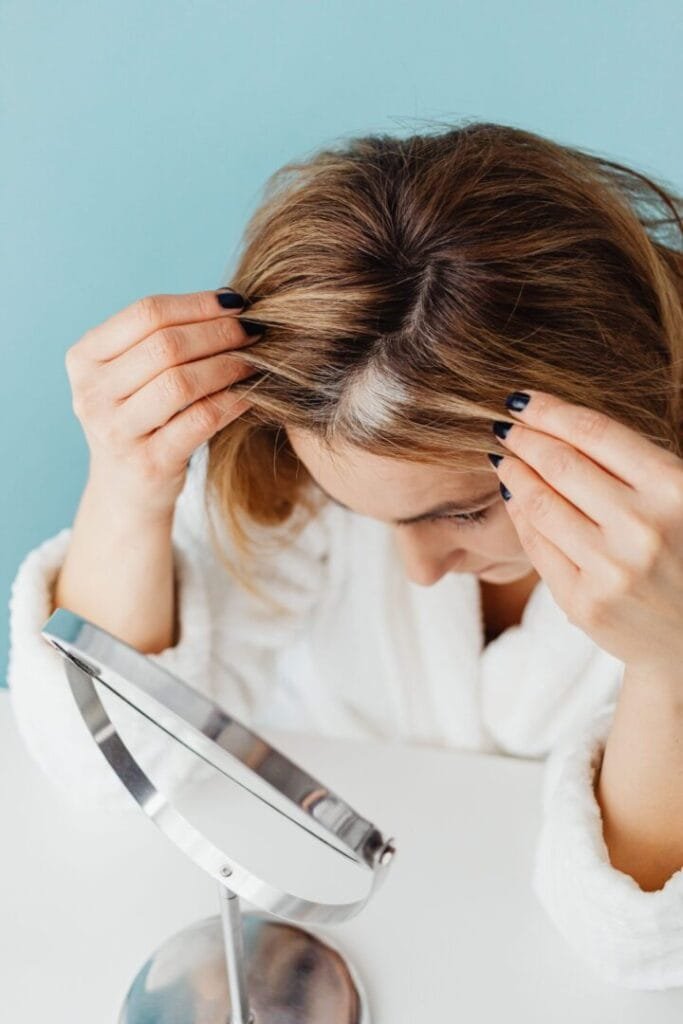
Scalp Dermatitis vs Dandruff: What’s the Difference?
The differences between scalp dermatitis and dandruff, how to recognise the symptoms, and which treatment options may
⭐ 4.9/5 on Google · GPhC Registered · NHS & Private · Same-day appointments in Kingston
Support for Dermatitis When Your Skin Feels Out of Control
GPhC Approved UK Pharmacy
Same Day Appointments
Confidential Services
Three simple steps to get your treatment
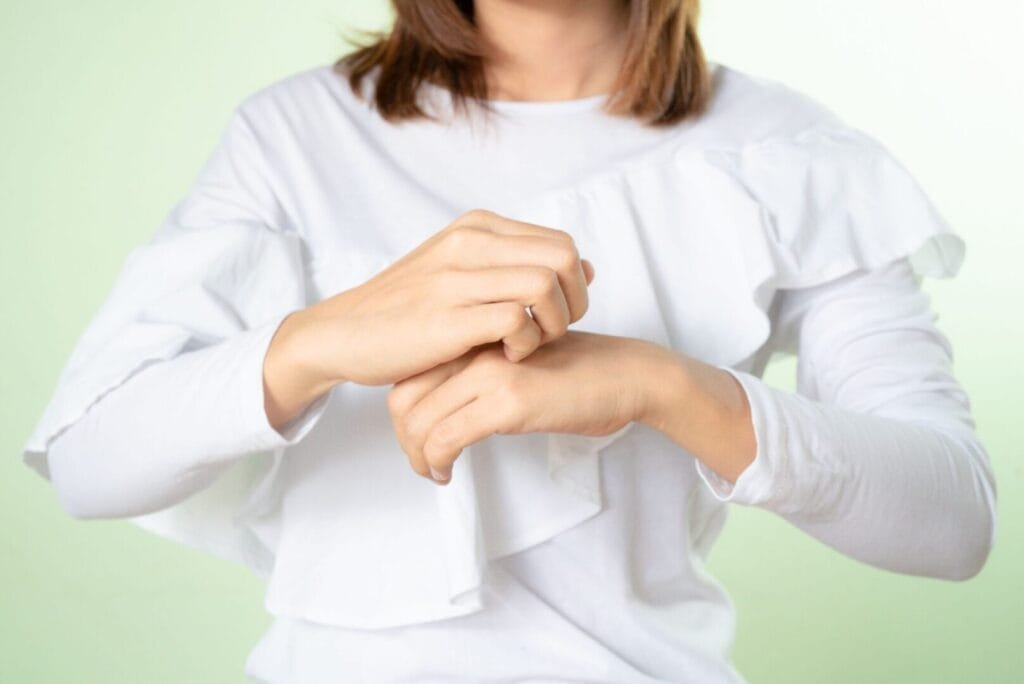
Dermatitis is a general term for inflammation of the skin. It can cause redness, itching, dryness, soreness, and sometimes swelling or cracking of the skin. Common types include contact dermatitis, irritant dermatitis, and flare-ups of eczema.
Symptoms often come and go and may be triggered by soaps, detergents, chemicals, stress, weather changes, or skin sensitivity. While dermatitis isn’t contagious, it can be uncomfortable and disruptive, especially during flare-ups.
Managing dermatitis focuses on calming inflammation, allowing the skin to heal, and reducing the impact of triggers. Our service provides professional assessment and access to appropriate treatment to help bring flare-ups under control.
Safe, effective medications reviewed by our pharmacists
Curated by Rifqa Jibara, Superintendent Pharmacist and Prescriber. GPhC No. 2232122
Dermatitis can develop for a variety of reasons, including:
Genetics
Allergies
Contact with irritants
Dry skin
Stress
Environmental factors
Certain skincare products or soaps
The exact cause varies depending on the type of dermatitis involved.
Dermatitis typically causes red, itchy, inflamed skin and often flares after exposure to irritants, allergens, stress, weather changes, or certain skincare products. During your consultation, a clinician will review your symptoms, medical history, and the pattern of your skin condition to determine whether dermatitis is the most likely cause and whether treatment is appropriate.
Common symptoms include:
Redness
Itching
Dry skin
Inflamed skin
Flaking or scaling
Cracked skin
Soreness
Thickened skin in long-standing cases
Symptoms can vary depending on the type and severity of dermatitis.
This service is designed to help adults experiencing active dermatitis flare-ups that are causing itching, redness, irritation, or discomfort. If symptoms are very mild, self-care advice may be appropriate. If symptoms are severe, widespread, infected, or affecting sensitive areas, you may be advised to seek further medical assessment.
These treatments contain corticosteroids that help reduce inflammation within the skin. They work by:
Reducing redness
Relieving itching
Calming irritation
Improving skin comfort
Helping flare-ups settle more quickly
When used correctly, they can significantly improve dermatitis symptoms.
This is a very common concern. When topical corticosteroids are used correctly, at the appropriate strength, and for the recommended duration, they are considered safe and effective treatments for dermatitis and eczema. Your clinician will explain exactly how to use your treatment to maximise benefits while minimising risks.
Yes. The service includes authorised scalp treatments and solutions designed for use through hair. The pharmacist will explain how to apply them properly.
Seborrhoeic dermatitis is a common skin condition that causes redness, itching, and flaky or greasy scales, most often on the scalp. While it does not usually cause permanent hair loss, inflammation and frequent scratching can sometimes lead to temporary hair shedding.
In most cases, hair regrows once the condition is brought under control. Managing symptoms with appropriate treatments, such as medicated shampoos or scalp treatments, can help reduce irritation and support a healthy scalp environment.
When used as directed, side effects are usually minimal. Possible side effects may include:
Mild skin irritation
Burning or stinging
Skin thinning with prolonged inappropriate use
Increased sensitivity in treated areas
Your clinician will explain how to use treatment safely.
During flare-ups, you may be advised to avoid fragranced products, harsh cleansers, or potentially irritating skincare products. Gentle alternatives are often recommended while the skin heals. Regular use of moisturisers (emollients) is also an important part of dermatitis management. Moisturisers help support the skin barrier and may reduce the frequency of future flare-ups.

The differences between scalp dermatitis and dandruff, how to recognise the symptoms, and which treatment options may

The main types of dermatitis, how they differ, common symptoms to look out for, and the treatment
The differences between creams, ointments, lotions and scalp applications, and how choosing the right formulation can help
Why dermatitis symptoms can return after treatment, common triggers to watch for, and practical steps that may