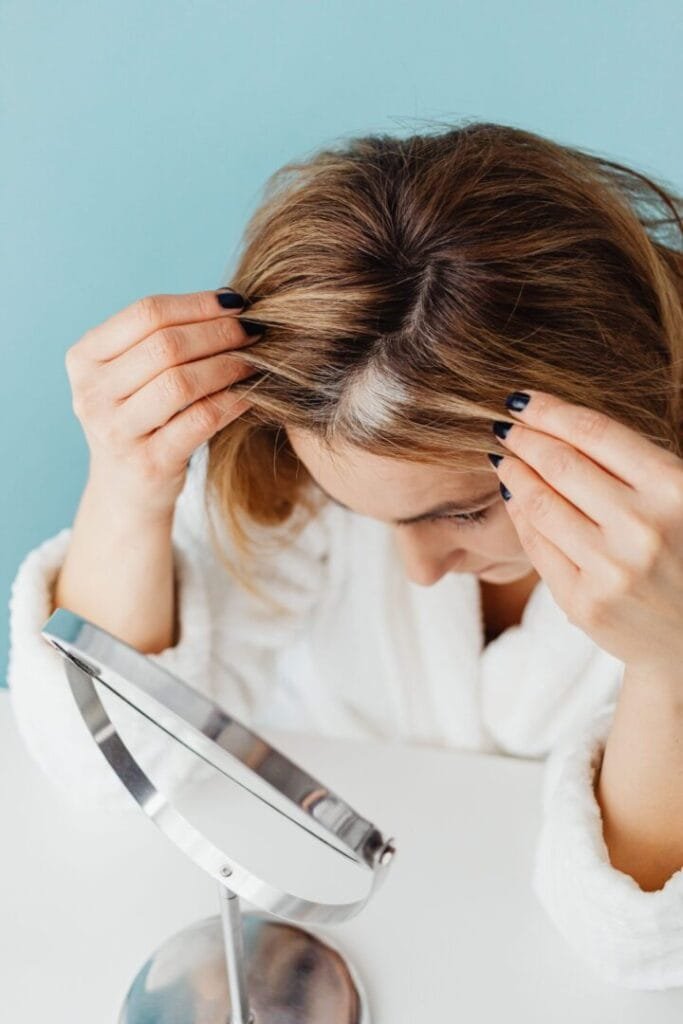
The differences between scalp dermatitis and dandruff, how to recognise the symptoms, and which treatment options may help bring scalp irritation and flaking under control.
Understanding Scalp Flaking and Irritation
Many people assume that flakes on their scalp are simply dandruff. However, persistent itching, redness, irritation or heavy scaling can sometimes indicate an underlying skin condition known as scalp dermatitis.
At our pharmacy, we regularly speak to patients who have tried multiple anti-dandruff shampoos without success, only to discover that their symptoms may actually be caused by dermatitis rather than dandruff alone. Although dandruff and scalp dermatitis can appear similar, they are not exactly the same condition and may require different treatment approaches.
What Is Dandruff?
Dandruff is a common scalp condition that causes loose flakes of skin to shed from the scalp. Many people experience dandruff at some point in their lives, and symptoms are usually mild and manageable.
Small white flakes
Mild scalp itching
Flaking on clothing
A dry or irritated scalp
Dandruff often improves with appropriate anti-dandruff shampoos. While it can be frustrating, it generally does not cause significant inflammation or discomfort.
What Is Scalp Dermatitis?
Scalp dermatitis is an inflammatory skin condition that affects the scalp. The most common form affecting this area is seborrhoeic dermatitis, although other types of dermatitis can also affect the scalp.
Unlike simple dandruff, scalp dermatitis often involves inflammation as well as flaking. This can lead to redness, itching, scaling, irritation and areas of inflamed skin. Symptoms may come and go over time, with periods of improvement followed by flare-ups.
Common Symptoms of Dandruff
Dandruff symptoms are usually limited to flaking and mild irritation. For most people, symptoms are relatively mild and can often be controlled with suitable anti-dandruff shampoos.
Typical dandruff symptoms
- White flakes on the scalp
- Flakes visible on clothing
- Mild itching
- A dry-feeling scalp
If symptoms remain mild and shampoos are helping, dandruff can often be managed without prescription treatment.
Common Symptoms of Scalp Dermatitis
Scalp dermatitis tends to cause more inflammation than dandruff. Many patients initially assume they simply have severe dandruff because the two conditions can look very similar.
Scalp symptoms
- Persistent itching
- Red patches on the scalp
- Yellowish or greasy scales
- Thick flaking
- Sore or sensitive areas
Other areas sometimes affected
- Around the nose
- Eyebrows
- Ears
- Beard area
When inflammation becomes more severe, prescription treatment may sometimes be required to help bring symptoms under control.
Why Do the Conditions Look Similar?
Both dandruff and scalp dermatitis involve increased shedding of skin cells from the scalp. This is why both conditions can cause visible flakes and why it can sometimes be difficult to tell them apart at first.
Dandruff is often considered the milder end of the same spectrum as seborrhoeic dermatitis. The main difference is the degree of inflammation. With scalp dermatitis, the scalp is typically more inflamed, irritated and symptomatic, which is one reason anti-dandruff shampoos alone may not always be enough.
What Causes Scalp Dermatitis?
The exact cause of scalp dermatitis is not fully understood. However, several factors are thought to contribute, and symptoms often fluctuate over time.
Overgrowth of naturally occurring scalp yeast
Skin barrier dysfunction
Genetics
Stress
Hormonal changes
Certain medical conditions
Symptoms may worsen during periods of stress or illness, and cold weather can trigger flare-ups in some individuals. Because triggers vary between people, understanding your own patterns can be an important part of long-term management.
When Should You Seek Treatment?
Many people manage mild dandruff successfully without professional treatment. However, it may be worth seeking advice if symptoms are persistent or becoming more difficult to control.
Seek advice if
- Symptoms are persistent
- Anti-dandruff shampoos are not helping
- The scalp is becoming increasingly itchy
- Redness is developing
- Scaling is becoming more severe
- Symptoms are affecting your quality of life
Seeking treatment early can often help prevent symptoms from becoming more difficult to control.
Treatment Options for Scalp Dermatitis
The most appropriate treatment depends on the severity of your symptoms. Mild symptoms may respond to shampoos and scalp care, while more inflamed flare-ups may require prescription topical treatment.
Non-prescription options
- Anti-dandruff shampoos
- Medicated shampoos
- Regular scalp care
- Avoiding irritation where possible
Prescription options
- Topical scalp treatments
- Inflammation-reducing treatments
- Treatments used during flare-ups
- Pharmacy consultation and assessment
Prescription treatments work by calming inflammation within the skin and helping flare-ups settle more quickly.
How Betnovate and Betacap Can Help
For patients with inflamed scalp dermatitis, prescription corticosteroid treatments may sometimes be appropriate. These treatments contain betamethasone, a corticosteroid that helps reduce inflammation within the scalp.
Treatment options may include
- Betnovate Scalp Application
- Betnovate Lotion
- Betacap Scalp Application
May help improve
- Itching
- Redness
- Irritation
- Scaling
- Discomfort
These treatments are typically used during flare-ups to help bring symptoms under control. During a consultation, our pharmacy team can assess your symptoms and determine whether prescription treatment may be appropriate.
What to Do Next
If you are struggling with persistent scalp flaking, itching or irritation, it is possible that scalp dermatitis rather than simple dandruff could be contributing to your symptoms.
Our pharmacy team can assess your symptoms, discuss possible causes and advise whether treatments such as Betnovate Scalp Application, Betnovate Lotion or Betacap may be suitable for you. With the right treatment plan, many people are able to reduce flare-ups and achieve better control of their scalp symptoms.
If you would like to explore your options, you can complete our consultation questionnaire and a member of our pharmacy team will review your information and advise on the most appropriate next steps.