Why Won’t My Acne Go Away? Understanding Persistent Adult Acne
Adult acne is common, and there are effective treatment options available. Understanding why acne occurs and what
⭐ 4.9/5 on Google · GPhC Registered · NHS & Private · Same-day appointments in Kingston
Regain confidence in your skin
GPhC Approved UK Pharmacy
Same Day Appointments
Confidential Services
Three simple steps to get your treatment
Acne is a common skin condition that occurs when pores become blocked with oil, dead skin cells, and bacteria. It can appear as spots, pimples, blackheads, whiteheads, or inflamed lesions, most commonly on the face, chest, and back.
While acne is often associated with teenagers, many adults experience persistent or late-onset acne. Hormonal changes, genetics, skincare products, and lifestyle factors can all play a role.
Early and appropriate treatment can help reduce breakouts, improve skin appearance, and lower the risk of scarring. Our service provides access to prescription treatments following a professional assessment, helping you manage acne effectively.
Safe, effective medications reviewed by our pharmacists
Curated by Rifqa Jibara, Superintendent Pharmacist and Prescriber. GPhC No. 2232122
Acne develops when pores become blocked by excess oil (sebum), dead skin cells, and bacteria. Factors that can contribute to acne include:
Hormonal changes
Genetics
Oily skin
Certain medications
Stress
Some cosmetic products
Acne can affect both teenagers and adults and is particularly common on the face, jawline, chest, and back.
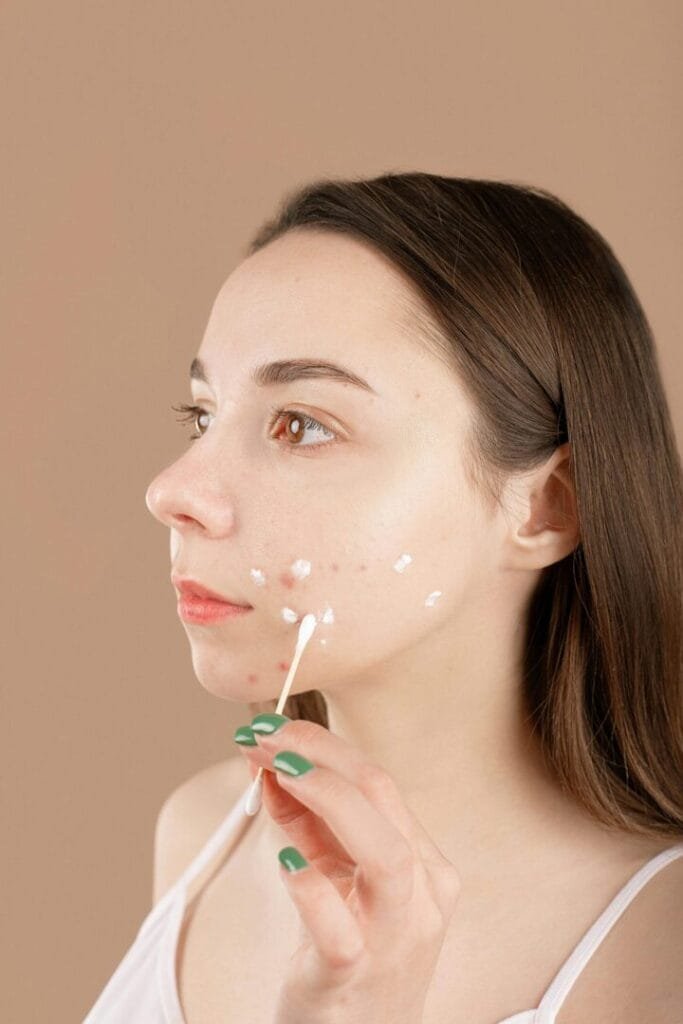
Azelaic Acid is a topical acne treatment that helps reduce inflammation, unblock pores, and reduce the growth of acne-causing bacteria. It works by normalising the shedding of skin cells within the pores, helping to prevent new spots from forming while reducing existing breakouts. In addition to treating acne, Azelaic Acid can help improve acne-related skin discolouration, post-inflammatory marks, and uneven skin tone that may remain after spots have healed. It is generally well tolerated and can be a suitable option for people with sensitive skin or those looking for a non-antibiotic acne treatment.
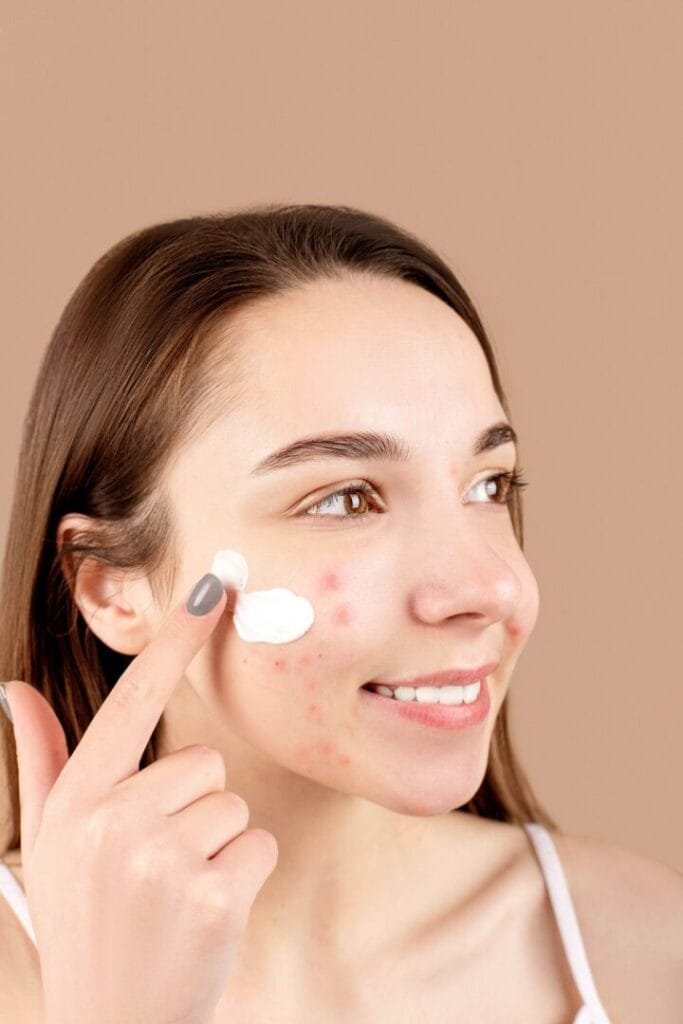
Treclin Gel is a prescription acne treatment that combines two active ingredients: clindamycin, an antibiotic that helps reduce the growth of acne-causing bacteria on the skin, and tretinoin, a retinoid that helps prevent pores from becoming blocked by increasing skin cell turnover. By targeting both bacterial growth and blocked pores, Treclin Gel helps reduce existing spots, prevent new breakouts from forming, and improve the overall appearance of acne-prone skin over time. Consistent use as directed is important to achieve the best results.
Acne treatment requires patience and consistency. Most people begin to notice improvement after 6 to 8 weeks, although some may take longer. Continued improvement is often seen over several months of regular treatment.
Yes. Some prescription acne treatments, particularly those containing retinoids such as Treclin Gel, can cause temporary irritation, dryness, or a short-term increase in breakouts during the early stages of treatment. This is often temporary and usually improves as the skin adjusts.
Acne treatment aims to reduce breakouts, improve skin appearance, and prevent future spots. While many people achieve excellent control of their acne, some may require ongoing treatment to maintain results.
Yes. Adult acne is very common and can affect both men and women. Some people experience persistent acne from their teenage years, while others develop acne for the first time in adulthood. Adult acne can be influenced by several factors, including hormonal fluctuations, genetics, stress, certain medications, and the use of skincare or cosmetic products that may block pores. In women, hormonal changes related to menstrual cycles, pregnancy, or conditions such as polycystic ovary syndrome (PCOS) can also contribute to breakouts. Because the causes of adult acne can vary, treatment is often tailored to the individual’s skin type, symptoms, and medical history.
Using a gentle cleanser
Avoiding harsh scrubs
Choosing non-comedogenic skincare products
Using an oil-free moisturiser
Applying daily sunscreen
These measures can help support treatment effectiveness and minimise irritation.
Yes. Following a clinical assessment and confirmation of suitability, prescription acne treatments such as Azelaic Acid or Treclin Gel can be supplied through our acne pharmacy service.
Yes. Moderate to severe acne can sometimes lead to permanent scarring if left untreated. Early treatment can help reduce inflammation and lower the risk of acne scars developing.

Adult acne is common, and there are effective treatment options available. Understanding why acne occurs and what

A guide to how Azelaic Acid treats acne, what results you can realistically expect, and how to
A guide to how Treclin works, who it may be suitable for, and what you can expect