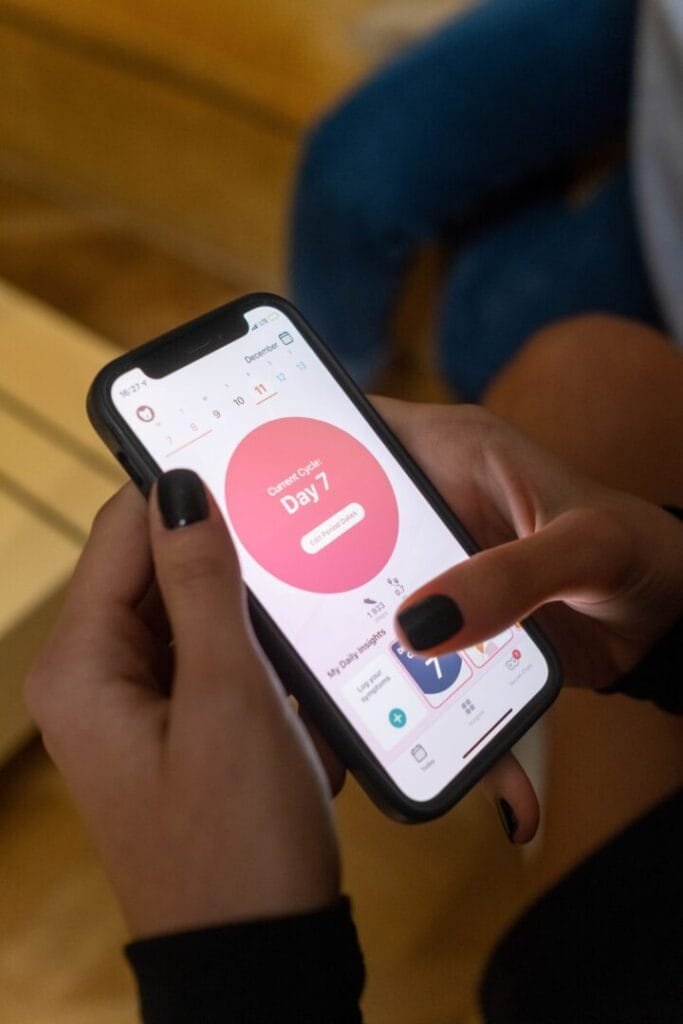
A simple guide to period delay treatment, how norethisterone works, and what to expect if you’re considering delaying your next period.
Why People Choose to Delay Their Period
While periods are a normal part of the menstrual cycle, there are times when having a period can be inconvenient, uncomfortable, or disruptive to important plans. Period delay treatment can offer a temporary solution for women who wish to postpone their period for a specific occasion or event.
- Holidays and travel
- Weddings and special occasions
- Sporting events and competitions
- Religious pilgrimages or festivals
- Exams or important work commitments
- Events where a period may cause inconvenience or discomfort
Can Periods Safely Be Delayed?
Period delay tablets such as norethisterone are safe for most women when used occasionally and as prescribed by a clinician. However, they are not suitable for everyone. Before treatment is supplied, a healthcare professional will review your medical history to make sure it is safe and appropriate for you.
What Is Norethisterone?
Norethisterone is a type of medicine known as a progestogen — similar to progesterone, one of the body’s natural female hormones. It has several medical uses, including treating period-related conditions, and can be prescribed to temporarily delay a period when taken before bleeding starts.
The treatment does not permanently change your menstrual cycle and is only intended for short-term use when needed.
How Does Norethisterone Work?
Your period normally starts when progesterone levels naturally fall towards the end of your cycle, triggering the womb lining to shed.
How norethisterone delays your period
- Maintains progesterone-like hormone levels in the body
- Prevents the usual hormonal trigger that causes the womb lining to shed
- Temporarily delays the hormonal changes that cause a period to begin
- Once you stop taking the tablets, hormone levels fall and your period usually starts a few days later
When Should You Start Taking It?
Timing is important. To delay a period successfully, norethisterone is usually started three days before your period is due to begin. Because treatment needs to be started before bleeding begins, it is helpful to know roughly when your next period is expected.
Standard dosing schedule
- One 5mg tablet
- Three times daily
- Starting three days before your expected period
Most women will have a period within two to three days of stopping treatment.
How Effective Is Period Delay Treatment?
When taken correctly and started at the right time, norethisterone is highly effective at delaying a period for most women. Studies have shown that the majority of women are able to successfully postpone their period until they stop taking the tablets. However, no treatment can guarantee that absolutely no bleeding or spotting will occur.
Light spotting or breakthrough bleeding can occur in around 1 in 10 women — though rates vary
A slight change in the timing of your next cycle may occasionally occur
These effects are usually temporary and settle once treatment is stopped
For most women, periods typically begin within 2–3 days of stopping norethisterone
Important Things to Know About Period Delay Treatment
Before starting treatment, it’s important to understand what norethisterone can and cannot do.
Key points to be aware of
- Norethisterone must be started before your period begins — it prevents a period starting, not one that has already begun
- Norethisterone is not a contraceptive and will not prevent pregnancy — continue using your usual contraceptive method if needed
- For most women, periods return to their usual pattern after treatment has finished
- Occasionally, your next cycle may be slightly earlier or later than expected — this is usually temporary
- Period delay treatment is generally intended for occasional use — if you frequently need to delay your periods, there may be more suitable options available
Who Can and Cannot Use Norethisterone?
Many women can use norethisterone safely, but it is not suitable for everyone. A consultation is important because your medical history helps determine whether treatment is appropriate for you.
- You are pregnant or may be pregnant
- You have a history of blood clots
- You have certain liver conditions
- You have experienced some hormone-sensitive medical conditions
- You have unexplained vaginal bleeding
If any of these apply to you, norethisterone may not be suitable. Our clinicians will assess your individual circumstances to determine the most appropriate option.
What to Do Next
If you are considering delaying your period for an upcoming event, holiday, or special occasion, it is important to plan ahead. Because treatment should normally be started three days before your period is due, it is best to complete your consultation as early as possible.
You can begin by completing our short online assessment. Once reviewed, one of our clinicians can confirm whether treatment is suitable for you and provide personalised advice. With the right guidance, period delay treatment can be a convenient and effective way to help you manage important events with confidence.