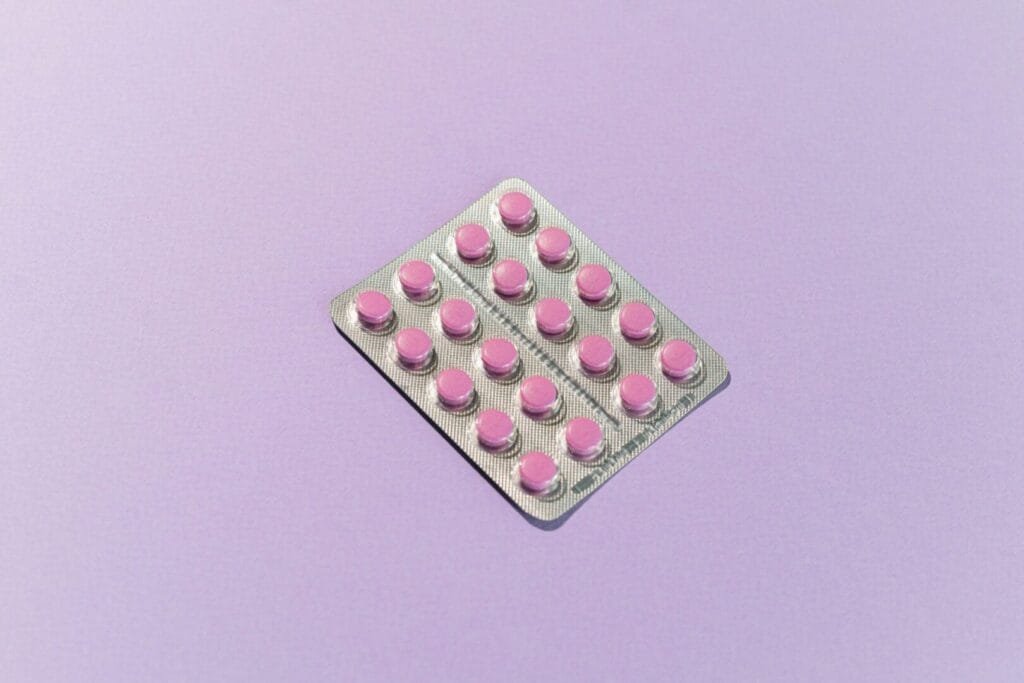
A simple guide to how norethisterone delays your period, what happens in your body while taking it, and what to expect when treatment ends.
Understanding Your Normal Menstrual Cycle
To understand how norethisterone delays a period, it helps to understand what normally causes a period to happen. Throughout your menstrual cycle, your body produces different hormones that prepare the womb for a possible pregnancy. One of these hormones is progesterone.
After ovulation, progesterone levels naturally rise and help maintain the lining of the womb. If pregnancy does not occur, progesterone levels begin to fall — and it is this drop in progesterone that signals the body to shed the womb lining, which is what causes a period.
Why Periods Happen
A period is the body’s way of shedding the lining of the womb when pregnancy has not occurred. This process is triggered by changing hormone levels, particularly the fall in progesterone towards the end of the menstrual cycle. For most women, this follows a predictable monthly pattern.
Period delay treatment works by temporarily interrupting this process.
What Is Norethisterone?
Norethisterone is a prescription medicine that belongs to a group of medicines called progestogens — similar to progesterone, one of the body’s natural female hormones. It has been used for many years to treat a range of menstrual conditions and can also be prescribed to temporarily delay a period.
When used for period delay, it provides additional hormone support that helps prevent the normal hormonal changes that trigger bleeding.
How Norethisterone Delays a Period
Norethisterone works by maintaining hormone levels during the time when they would normally begin to fall. In simple terms, it temporarily “pauses” the hormonal trigger that would normally start your period.
What norethisterone does in the body
- Keeps progesterone-like hormone levels higher than they would naturally be
- Prevents the body from receiving the usual signal to shed the womb lining
- Delays your period for as long as you continue taking the tablets
- Once stopped, hormone levels fall and your period begins a few days later
When Should You Start Taking Norethisterone?
Timing is one of the most important factors for successful period delay. Starting treatment after bleeding has already begun is unlikely to delay your period effectively — which is why it is important to plan ahead if you know you have an upcoming event or occasion.
Standard dosing schedule
- One 5mg tablet
- Three times a day
- Starting three days before your expected period
What Happens While You’re Taking It?
While you continue taking norethisterone, your body maintains hormone levels that help prevent your period from starting. Most women will not experience their usual menstrual bleeding during this time.
Light spotting or breakthrough bleeding — can occur in some women
Mild bloating
Breast tenderness
Headaches
Not everyone experiences side effects, and many women complete treatment without any significant problems.
What Happens When You Stop Taking It?
Once you stop taking norethisterone, hormone levels begin to fall naturally. This allows the normal menstrual process to resume. For most women, a period will begin within two to three days of finishing treatment.
The bleeding that follows is often similar to a normal period, although some women may notice slight differences in timing or flow. This is usually temporary and settles by the next cycle.
Will It Affect Your Future Periods?
For most women, norethisterone does not have any long-term effect on the menstrual cycle. After treatment ends, periods usually return to their normal pattern. Occasionally, the next cycle may arrive slightly earlier or later than expected, but this is generally temporary.
There is no evidence that occasional use of norethisterone for period delay causes long-term fertility problems.
Important Things to Know About Norethisterone
Before starting treatment, it’s important to understand a few key points about how norethisterone works.
Key points to be aware of
- Norethisterone works best when started before your period begins — it prevents a period starting, not one that is already underway
- The length of time your period can be delayed depends on how long the tablets are taken and whether treatment is appropriate for your circumstances
- After stopping, your period will usually begin around two to three days later — not immediately
- Norethisterone is not a contraceptive — it does not prevent pregnancy and should not be relied upon for contraception
What to Do Next
If you are considering period delay treatment, understanding how norethisterone works can help you feel more confident about your treatment options. The most important thing is to plan ahead, as treatment should usually be started three days before your period is due.
You can begin by completing our online assessment. Once reviewed, one of our clinicians can determine whether treatment is suitable for you and provide personalised advice based on your medical history and circumstances.