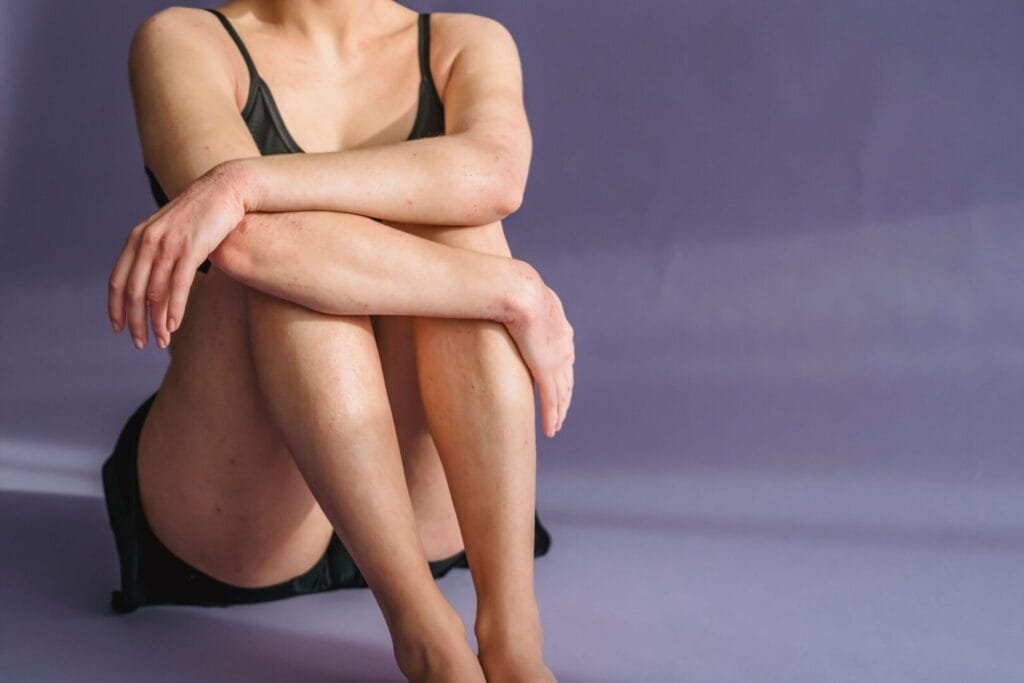
A guide to what psoriasis is, what causes it, how to recognise the symptoms, and the treatment options that may help.
What Is Psoriasis?
Psoriasis is an autoimmune, long-term inflammatory skin condition that causes skin cells to build up more quickly than normal. In healthy skin, new skin cells are produced and gradually shed over several weeks. In people with psoriasis, this process happens much faster — leading to a build-up of skin cells on the surface.
Red, raised and thickened patches
Dry and scaly skin
Tends to come and go, with periods of improvement and flare-ups
Psoriasis can affect people of all ages, although it often develops in early adulthood. While it primarily affects the skin, it is now understood to be an immune-mediated condition that can sometimes affect other aspects of health as well.
What Does Psoriasis Look Like?
For many people, psoriasis appears as clearly defined red patches covered with silvery-white scales — though the appearance can vary depending on skin tone and the type involved. Some people develop only a few small patches, while others experience more widespread symptoms.
- Elbows and knees
- Scalp
- Lower back
- Almost anywhere on the body
Depending on skin tone, patches may appear red or pink, or present as darker brown or purple areas. They may be thickened and scaly, or dry and cracked. The appearance can also change over time, particularly during flare-ups.
Common Symptoms of Psoriasis
Psoriasis symptoms vary from person to person. For some people they are mild and manageable — for others, the condition can have a significant impact on comfort, confidence and daily life.
Dry, scaly skin patches
Red or inflamed areas of skin
Itching
Burning sensations
Cracked skin that feels sore or uncomfortable
Flaking from the scalp
Thickened or discoloured nails
Many patients tell us that the visible nature of psoriasis can be just as challenging as the physical symptoms themselves.
What Causes Psoriasis?
The exact cause of psoriasis is not fully understood. It is believed to involve a combination of immune system activity and genetic factors — in people with psoriasis, the immune system mistakenly triggers skin cells to reproduce more quickly than normal. Understanding your personal triggers can often play an important role in managing the condition.
- Family history
- Stress
- Skin injuries
- Certain infections
- Smoking
- Excessive alcohol consumption
- Some medications
Not everyone has the same triggers, which is why symptoms can vary significantly between individuals.
Different Types of Psoriasis
There are several different forms of psoriasis, each with distinct characteristics. Identifying the type you have can help guide the most appropriate treatment approach.
Plaque Psoriasis
The most common type. Causes raised, red patches covered with silvery scales — often affecting the elbows, knees, scalp and lower back.
Scalp Psoriasis
Affects the scalp and may cause flaking, itching and visible scales. Can sometimes be mistaken for severe dandruff.
Guttate Psoriasis
Appears as numerous small, drop-shaped patches. Frequently develops after certain infections, particularly throat infections.
Inverse Psoriasis
Affects skin folds such as the armpits, groin and under the breasts. The skin may appear smooth, red and inflamed rather than heavily scaly.
Pustular Psoriasis
A less common form that causes pus-filled spots surrounded by inflamed skin. This type may require prompt medical assessment.
Is Psoriasis Contagious?
No. Psoriasis is not contagious. You cannot catch psoriasis from another person through touching, sharing towels, close contact or any other form of interaction. Psoriasis is an immune-related condition rather than an infection — a distinction that is important both for patients and those around them.
Unfortunately, misconceptions about psoriasis can sometimes cause embarrassment or anxiety for those living with the condition. Understanding the true nature of psoriasis can help reduce unnecessary concern.
Can Psoriasis Be Cured?
At present, psoriasis cannot usually be cured permanently. However, many people successfully manage their symptoms and experience long periods where their skin remains much clearer. Many patients achieve excellent symptom control with the right combination of treatment and self-care measures.
- Reducing inflammation
- Slowing excessive skin cell production
- Relieving symptoms and improving skin appearance
- Reducing the frequency of flare-ups
The most appropriate treatment depends on the severity of symptoms and the areas of skin affected.
Treatment Options for Psoriasis
Several treatment options are available depending on the severity of your symptoms. Our pharmacy team can help determine whether a prescription treatment may be appropriate for you.
Emollients and Moisturisers
Keeping the skin well moisturised is an important part of psoriasis management. Regular use of emollients can help reduce dryness, improve comfort and minimise scaling.
Prescription Topical Treatments
Prescription creams, ointments, gels and scalp treatments may be used to help reduce inflammation and control symptoms. These often play a key role in managing mild to moderate psoriasis.
Lifestyle Measures
Some people find that lifestyle changes help reduce flare-ups — including managing stress, avoiding smoking, limiting alcohol intake and following a consistent skincare routine.
Specialist Treatments
For more severe psoriasis, specialist treatments prescribed by a dermatologist may sometimes be required. These can include phototherapy or medicines that affect the immune system.
When Should You Seek Treatment?
Many people delay seeking advice because they assume their symptoms are simply dry skin. Seeking treatment early can often help prevent symptoms from becoming more difficult to manage — the sooner the condition is identified, the sooner an appropriate treatment plan can be put in place.
- Symptoms are persistent and not improving
- The affected area is expanding
- Over-the-counter products are not helping
- The skin becomes painful or cracked
- Symptoms are affecting your confidence or daily activities
What to Do Next
If you’re experiencing persistent dry, flaky or inflamed skin and think psoriasis may be the cause, our pharmacy team is here to help. We can assess your symptoms, discuss available treatment options, and help determine whether prescription treatment may be appropriate for you.
Many people find that the right treatment plan allows them to gain better control of their symptoms and improve their quality of life. You can complete our consultation questionnaire and a member of our pharmacy team will review your information and advise on the most appropriate next steps.