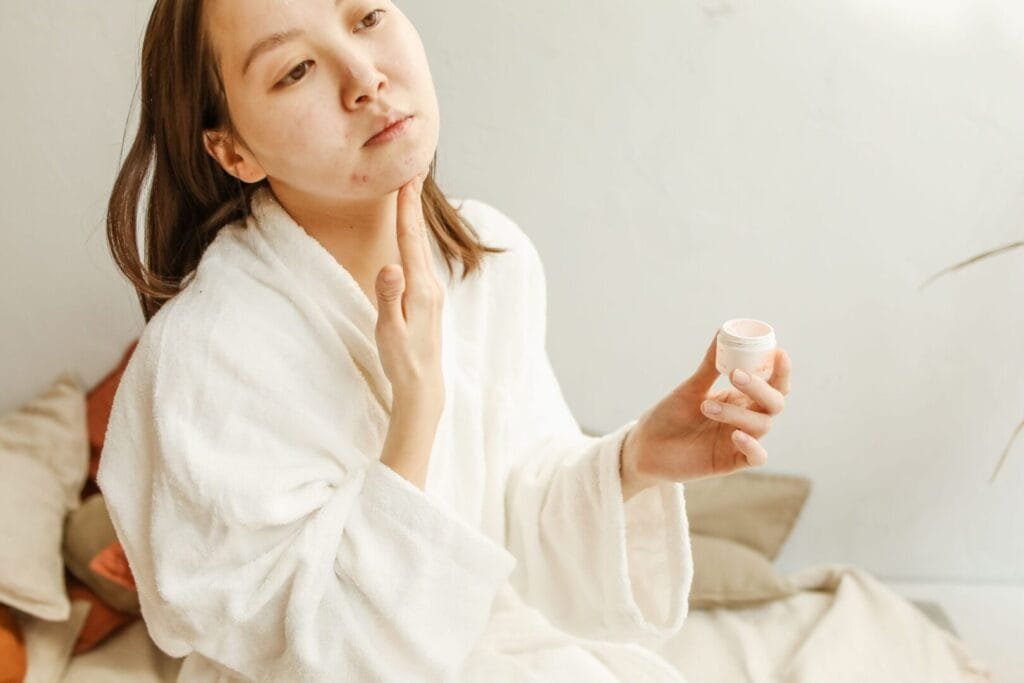
Adult acne is common, and there are effective treatment options available. Understanding why acne occurs and what may be contributing to your symptoms is often the first step towards achieving clearer skin.
What Causes Acne?
Acne develops when hair follicles and pores become blocked with oil (sebum), dead skin cells and bacteria. Acne can affect the face, chest, shoulders and back, although the face is the area most commonly affected — and the severity varies considerably from person to person.
Increased oil production
Blocked pores
Bacteria within the skin
Inflammation
Understanding that acne is a medical condition rather than simply a hygiene issue is important. Acne is not caused by poor cleanliness, and excessive washing can sometimes make symptoms worse.
Why Do Some People Get Acne as Adults?
Adult acne is more common than many people realise. While teenage acne is often linked to puberty, adult acne can have a variety of causes and contributing factors. Some people continue to experience acne from adolescence into adulthood, while others develop it later in life despite having clear skin in their teenage years.
- Hormonal changes
- Genetics
- Stress
- Certain medications
- Skincare products
- Lifestyle factors
The important thing to remember is that effective treatment options are available regardless of your age.
Hormones and Acne
Hormones play a significant role in many cases of adult acne. Changes in hormone levels can increase oil production within the skin, making blocked pores and breakouts more likely. Hormonal acne often affects the lower face and jawline, and many patients notice breakouts follow a predictable pattern linked to hormonal changes.
In women, hormonal fluctuations may occur
- Around the menstrual cycle
- During and after pregnancy
- During perimenopause and menopause
- When starting or stopping certain contraceptives
If hormones are contributing to your acne, treatment may need to address the underlying cause rather than simply focusing on the spots themselves.
Stress, Lifestyle and Acne
Stress does not directly cause acne, but it can make existing acne worse. When you’re under stress, the body produces higher levels of cortisol, which can increase oil production in the skin — contributing to blocked pores and an environment where acne is more likely to develop.
While lifestyle changes alone may not completely resolve acne, they can play an important role in supporting skin health and reducing flare-ups. Many patients find that a combination of treatment, good skincare habits and stress management produces the best results.
Poor sleep quality
Smoking
Certain skincare habits
Frequent touching or picking of the skin
Common Types of Acne
Acne can present in different ways, and understanding the type of acne you have can help determine the most appropriate treatment.
Blackheads
Occur when pores become blocked but remain open at the surface. They appear as small dark spots and are not caused by dirt.
Whiteheads
Develop when blocked pores remain closed. They often appear as small white or flesh-coloured bumps.
Papules and Pustules
Inflamed spots that may appear red and tender, or contain pus. Among the most common forms of acne.
Nodules and Cysts
Deeper, more severe lesions that develop beneath the skin. They can be painful and may increase the risk of scarring. Professional treatment is particularly important for this type.
Why Over-the-Counter Products Don’t Always Work
Many people spend months trying different over-the-counter acne products before seeking professional advice. While some can be helpful, they may not always be strong enough to manage persistent or moderate acne.
The active ingredients may not be suitable for your type of acne
The strength may be insufficient
Hormonal factors may not be addressed by topical products alone
Products may not be used consistently or for long enough
Acne may genuinely require prescription treatment
It’s also common to switch products too frequently, making it difficult to assess whether a treatment is actually helping. If you’ve been trying multiple products without improvement, it may be time to consider alternative options.
When Should You Consider Prescription Treatment?
Many people delay seeking help in the hope that acne will eventually clear on its own. However, persistent acne often responds best when appropriate treatment is started sooner rather than later.
- Acne is persistent and not improving
- Breakouts are becoming more severe
- Spots are leaving marks or scars
- Over-the-counter products have not helped
- Acne is affecting your confidence or wellbeing
Seeking treatment early can often help prevent symptoms from becoming more difficult to manage.
Treatment Options Available
The most suitable treatment depends on the severity of your acne and the factors contributing to it. During a consultation, we assess your symptoms, medical history and previous treatments to help identify the most appropriate option for you.
- Topical prescription creams or gels
- Retinoid-based treatments
- Antibacterial treatments
- Combination therapies
- Hormonal treatments in appropriate cases
The aim is not only to improve existing acne but also to reduce future breakouts and minimise the risk of scarring. Many patients begin to notice improvements within a few weeks, although some treatments require longer to achieve their full effect. Consistency is often one of the most important factors in successful acne treatment.
What to Do Next
If you’re struggling with persistent acne, you’re not alone. Our pharmacy team can help assess your symptoms, discuss your treatment history, and recommend appropriate options based on your individual needs.