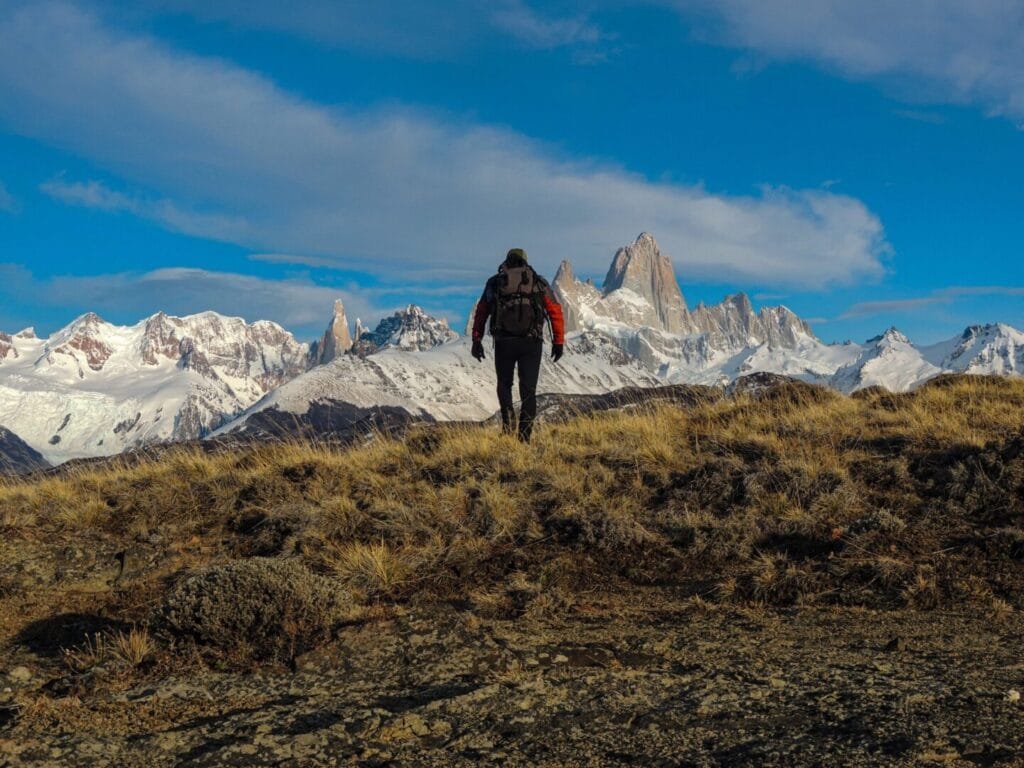
A guide to altitude sickness, why it occurs, who can be affected, and what travellers should know before visiting high-altitude destinations.
What Is Altitude Sickness?
Altitude sickness, sometimes known as acute mountain sickness (AMS), is a condition that can develop when you travel to high altitudes too quickly. As altitude increases, air pressure falls and there is less oxygen available in each breath — meaning your body has to work harder to obtain the oxygen it needs.
Most people adapt gradually to these changes, but if you ascend too quickly your body may struggle to adjust, leading to symptoms of altitude sickness. The condition is most commonly associated with mountain trekking and climbing, but it can also affect travellers visiting high-altitude cities and tourist destinations around the world.
Why Does Altitude Affect the Body?
At sea level, oxygen is readily available and the body can function normally without difficulty. As you travel higher, the amount of oxygen available decreases — your lungs, heart and circulatory system must work harder to deliver oxygen to your tissues and organs.
In response, the body begins a process known as acclimatisation, involving a range of adjustments that help improve oxygen delivery. Acclimatisation takes time — if you ascend too quickly, your body may not be able to keep pace with the change in altitude, increasing the risk of altitude sickness.
At What Altitude Can Symptoms Develop?
Altitude sickness can occur at a variety of elevations, but the risk generally begins to increase above 2,500 metres (approximately 8,200 feet). Some travellers may experience symptoms at lower altitudes, while others may reach much greater heights before noticing any problems.
Speed of ascent matters as much as altitude
Someone who flies directly into a high-altitude destination may be at greater risk than someone who reaches the same altitude gradually over several days. This is why many trekking itineraries include acclimatisation days to help reduce the risk of illness.
Who Is Most at Risk?
Anyone travelling to high altitude can develop altitude sickness. The risk tends to be higher in people who ascend rapidly, spend prolonged periods at altitude, or travel to very high elevations. Travellers who have previously experienced altitude sickness may also be more likely to develop symptoms again on future trips.
However, predicting who will be affected is not always straightforward. Two people following the same itinerary may have completely different experiences, with one developing symptoms while the other remains unaffected.
Can Fit and Healthy People Get Altitude Sickness?
Yes — and this is one of the most common misconceptions about altitude sickness. Physical fitness does not provide immunity against altitude-related illness. Experienced hikers, runners, cyclists and athletes can all develop altitude sickness if they ascend too quickly or do not allow enough time to acclimatise.
Altitude sickness is primarily related to how the body responds to reduced oxygen levels, rather than a person’s fitness level. This is why prevention and preparation are important for all travellers, regardless of their age or fitness.
Popular Destinations Where Altitude Sickness Can Occur
Many popular travel destinations are located at elevations high enough for altitude sickness to occur. Many travellers are surprised to discover that altitude sickness is not limited to mountaineers and climbers — even sightseeing trips can involve elevations high enough to trigger symptoms.
- Everest Base Camp and trekking routes in Nepal
- Mount Kilimanjaro in Tanzania
- Cusco and Machu Picchu in Peru
- La Paz in Bolivia
- The Andes Mountains in South America
- High-altitude regions of Tibet
- Certain ski resorts and mountain destinations around the world
What to Do Next
Altitude sickness is a common travel health concern for people visiting high-altitude destinations around the world. Although it can affect anyone, understanding the risks and preparing appropriately can significantly reduce the likelihood of problems during your trip.
If you’re planning to travel to a high-altitude destination and would like advice about altitude sickness prevention, our team at The Kingston Pharmacy can help. We can assess your travel plans, discuss your individual risk and advise whether Acetazolamide may be suitable for your journey. Book a travel health consultation today and ensure you’re prepared before you travel.