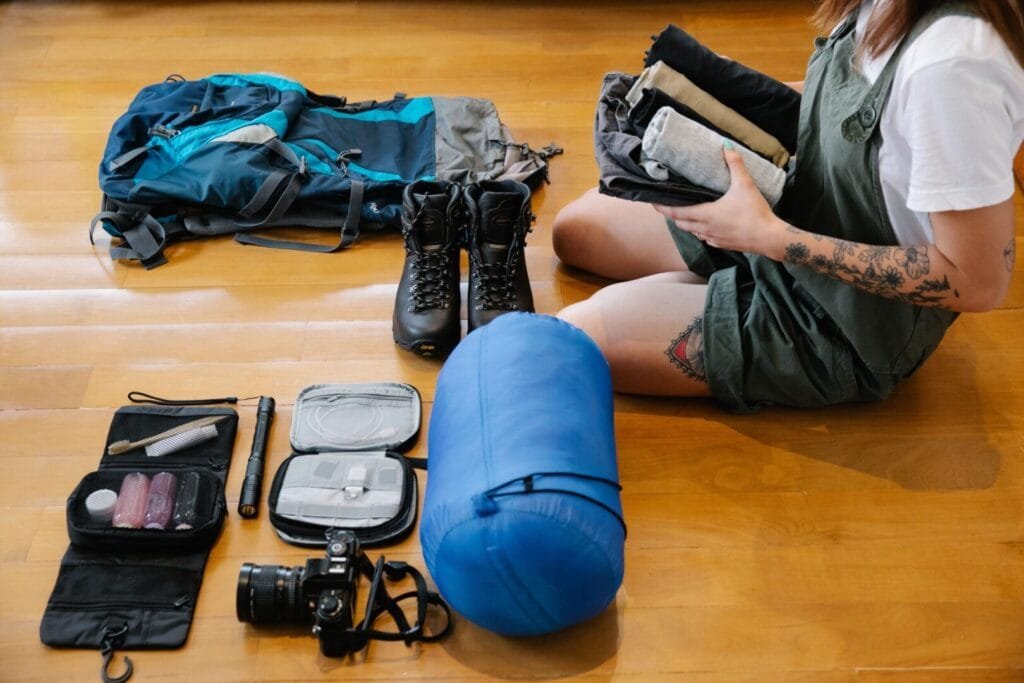
A guide to preparing for travel at high altitude, reducing the risk of altitude sickness, and ensuring you are ready for your trip before you leave the UK.
Why Preparation Is Important
Whether you’re trekking to Everest Base Camp, climbing Mount Kilimanjaro, visiting Machu Picchu or travelling to high-altitude regions of South America, preparation plays an important role in helping you stay safe and enjoy your trip.
Many travellers spend months planning flights, accommodation and equipment, but altitude sickness is often overlooked until shortly before departure. Understanding the challenges associated with high altitude can help reduce the risk of illness and allow you to make informed decisions before you travel. The earlier you begin preparing, the more options you will have available to help protect your health.
Popular High-Altitude Destinations
Altitude sickness can affect travellers visiting a wide range of destinations. Many of these locations sit well above 2,500 metres — the altitude at which the risk of altitude sickness begins to increase. Importantly, altitude sickness is not limited to adventurous trekkers and climbers; even travellers visiting high-altitude cities for sightseeing can experience symptoms.
- Everest Base Camp and trekking routes in Nepal
- Mount Kilimanjaro in Tanzania
- Cusco and Machu Picchu in Peru
- La Paz in Bolivia
- The Andes Mountains and South America
- Tibet and the Himalayas
- High-altitude ski resorts and mountain destinations
Understanding Acclimatisation
One of the most important concepts in high-altitude travel is acclimatisation — the process by which the body gradually adapts to lower oxygen levels. As you spend time at altitude, your body begins making changes that improve oxygen delivery to your tissues and organs.
This process takes time. Travellers who ascend gradually generally have a lower risk of altitude sickness compared with those who gain altitude rapidly. Many trekking itineraries are specifically designed to allow time for acclimatisation, often including rest days at key points during the journey. These days are not simply breaks from walking — they are an important part of reducing the risk of altitude-related illness.
How Quickly Should You Ascend?
The speed of ascent is one of the most important factors influencing altitude sickness risk. In general, a gradual ascent allows the body more time to adapt to changing oxygen levels — problems are more likely to occur when travellers ascend rapidly without allowing sufficient time for acclimatisation.
Why this matters in practice
Some travellers experience symptoms shortly after flying directly into high-altitude destinations such as Cusco or La Paz — arriving at altitude without any gradual ascent gives the body no time to adjust. Whenever possible, following a sensible itinerary and building in acclimatisation time can significantly reduce this risk.
Staying Healthy at Altitude
There is no guaranteed way to prevent altitude sickness, but several practical steps may help reduce your risk.
Practical steps that may help
- Stay well hydrated, particularly during physical activity at altitude
- Pace yourself during the first few days — avoid the temptation to overexert immediately after arrival
- Prioritise adequate rest while your body adapts
- Adopt a gradual and steady pace rather than rushing to reach your destination
Should You Consider Acetazolamide?
Acetazolamide is a prescription medication commonly used to help prevent altitude sickness. It works by encouraging the body to breathe more deeply and more frequently, which helps improve oxygen levels in the blood. It also helps speed up the natural acclimatisation process, allowing the body to adjust more efficiently to the lower oxygen levels found at high altitude.
For this reason, it is often used by travellers visiting high-altitude destinations where the risk of altitude sickness is increased. A travel health consultation can help determine whether Acetazolamide may be suitable for your trip and provide guidance on how it should be used.
What to Do Next
Travelling to high altitude can be an unforgettable experience, but proper preparation is essential. Understanding how altitude affects the body, allowing time for acclimatisation and planning ahead can all help reduce the risk of altitude sickness and improve your overall travel experience.
If you’re planning a trip to a high-altitude destination and would like advice about altitude sickness prevention, our team at The Kingston Pharmacy can help. We can assess your travel plans, discuss your individual risk and advise whether Acetazolamide may be appropriate for your journey.