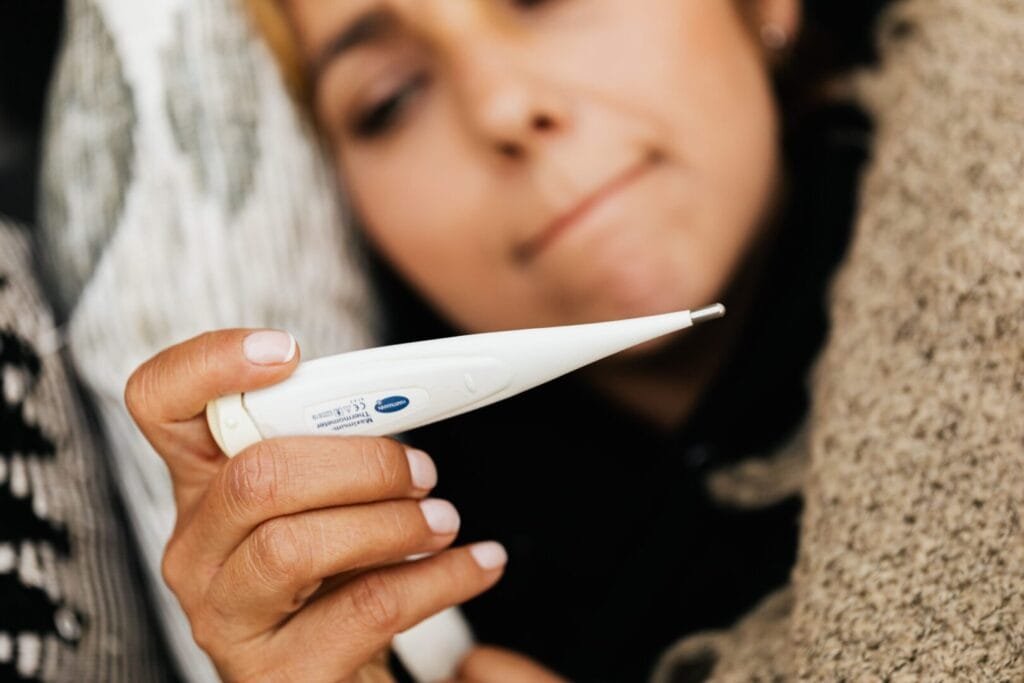
A guide to the symptoms of malaria, when they can appear, why early diagnosis matters, and what travellers should do if they become unwell during or after their trip.
What Is Malaria?
Malaria is a serious disease caused by parasites that are transmitted through the bites of infected mosquitoes. The disease is found in many tropical and subtropical regions around the world, including parts of Africa, Asia, Central and South America.
While malaria is uncommon in the UK, thousands of travellers return from overseas each year having been exposed to malaria-risk areas. Most cases seen in the UK occur in people who have travelled abroad and either did not take preventative measures or were unaware of the risks associated with their destination. Although malaria can often be treated successfully when diagnosed early, it can become life-threatening if treatment is delayed.
How Do People Get Malaria?
Malaria is spread through the bite of an infected female Anopheles mosquito. When an infected mosquito bites a person, malaria parasites enter the bloodstream and travel to the liver, where they begin part of their life cycle before re-entering the bloodstream.
The infection cannot usually spread directly from person to person through normal contact, meaning travellers are at risk primarily when they spend time in regions where malaria-carrying mosquitoes are present. Because mosquitoes often bite without being noticed, many people who develop malaria do not recall being bitten.
What Are the Symptoms of Malaria?
One of the challenges with malaria is that the symptoms can initially resemble many other common illnesses. Some people describe malaria as feeling similar to a severe flu.
Fever
Chills or shivering
Sweating
Headache
Muscle aches
Fatigue
Nausea or vomiting
General flu-like symptoms
As the illness progresses, symptoms can become more serious. Without prompt treatment, malaria can affect vital organs and may lead to severe complications including breathing difficulties, seizures, confusion, organ failure and, in some cases, death.
When Do Symptoms Appear?
Many travellers assume that if they feel well during their trip, they are no longer at risk of malaria. Unfortunately, this is not always the case. Symptoms do not usually appear immediately after a mosquito bite.
In many cases, symptoms develop between one and four weeks after infection. However, depending on the type of malaria parasite involved, symptoms can sometimes appear months later. This delayed onset is one reason why malaria can occasionally be missed during the early stages of illness.
Can Malaria Develop After Returning to the UK?
Yes. In fact, many malaria cases diagnosed in the UK occur after travellers have returned home. Someone may feel completely well during their holiday and only develop symptoms days or weeks after arriving back in the UK.
This is why it is important to tell a healthcare professional about any recent travel if you become unwell after returning from a malaria-risk area. Even if your trip was several months ago, your travel history could be an important clue — healthcare professionals routinely consider recent travel when investigating unexplained fevers because malaria can sometimes present long after exposure.
When Should You Seek Medical Attention?
Any fever or flu-like illness that develops during or after travel to a malaria-risk destination should be taken seriously. Early diagnosis and treatment can significantly reduce the risk of serious complications — if malaria is suspected, medical assessment should not be delayed.
Seek urgent medical advice if you experience any of the following
- Fever or chills during or after travel to a malaria-risk area
- Sweating and severe headache
- Unusual fatigue or flu-like symptoms after travelling
- Any of the above — even weeks or months after returning home
Always mention where you have travelled and when you returned. Do not wait to see whether symptoms resolve on their own.
Why Prevention Is So Important
Although malaria can often be treated when diagnosed promptly, prevention remains the safest approach. The disease can become serious quickly, and some forms of malaria can cause severe illness within a short period of time.
Travellers can reduce their risk by taking appropriate precautions before travelling. Depending on the destination, this may include antimalarial medication, mosquito bite prevention measures, or a combination of both. The most appropriate strategy depends on where you are travelling and your individual circumstances.
What to Do Next
Understanding the symptoms of malaria is an important part of preparing for travel to malaria-risk destinations. Recognising the signs early and seeking medical attention promptly can make a significant difference if infection occurs.
However, the best approach is to reduce your risk before you travel. If you’re planning a trip abroad and would like advice about malaria prevention, our team at The Kingston Pharmacy can help. We can assess your destination, discuss your risk level and recommend appropriate preventative measures to help you travel safely and confidently.