4.9/5 on Google  ·  GPhC Registered  ·  NHS & Private  ·  Same-day appointments in Kingston

Insect Bites at The Kingston Pharmacy, Kingston upon Thames
4.9/5

Same-day NHS assessment and treatment for Insect Bites

Insect Bites

Skip the GP wait. Our trained clinicians can assess Insect Bite symptoms and provide NHS treatment where appropriate through the Pharmacy First service.
Same-day help for bite symptoms
Free NHS consultation
Advice and medication in one visit
Checking availability…

GPhC Approved UK Pharmacy

Same Day Appointments

4.9/5 on Google Review

Confidential Services

How It Works

Three simple steps to get your treatment

Step 1

Tell Us What You Need
Answer a few quick questions about your symptoms so we can check if Pharmacy First treatment is right for you.

Step 2

Book Your Convenient Appointment
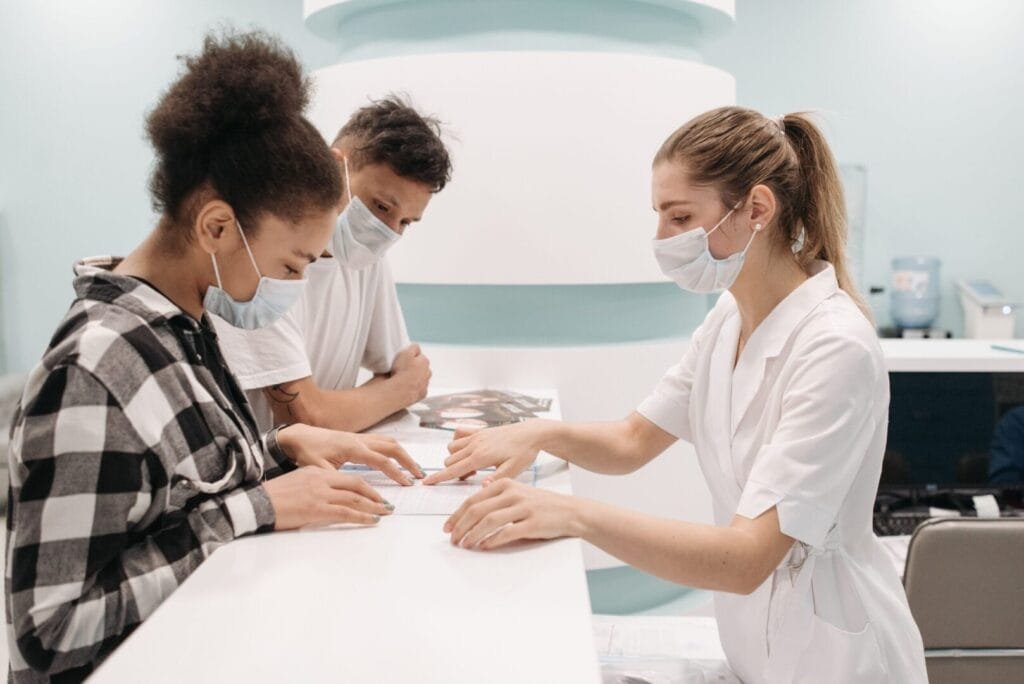
A trained pharmacist will assess your symptoms, medical history, and perform checks if needed to confirm the cause of your insect bite.

Step 3

Collect or Receive Your Medication
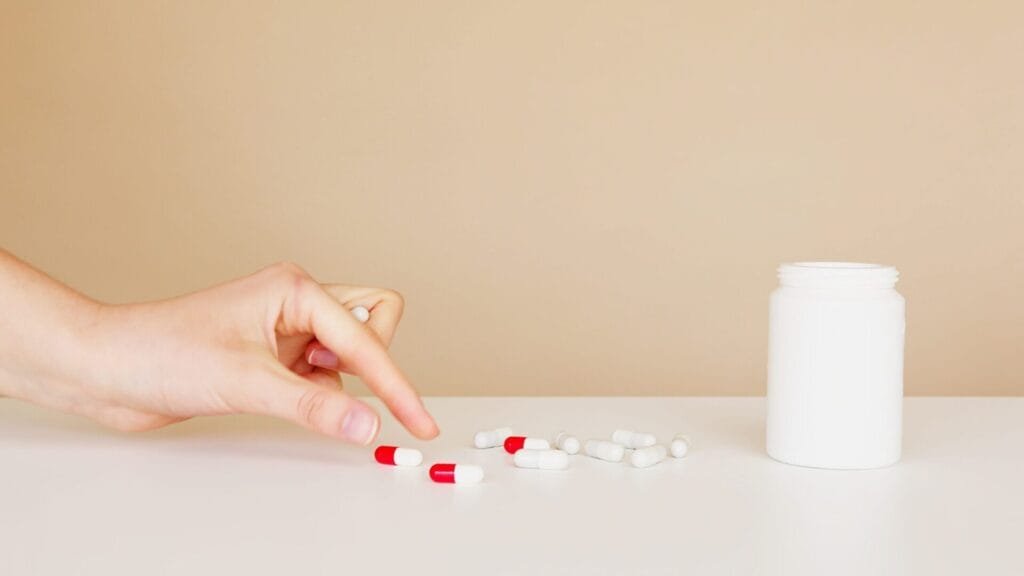
If appropriate, receive NHS treatment the same day – with advice, self-care guidance, or prescription medication if needed.

What Is an Infected Insect Bite?

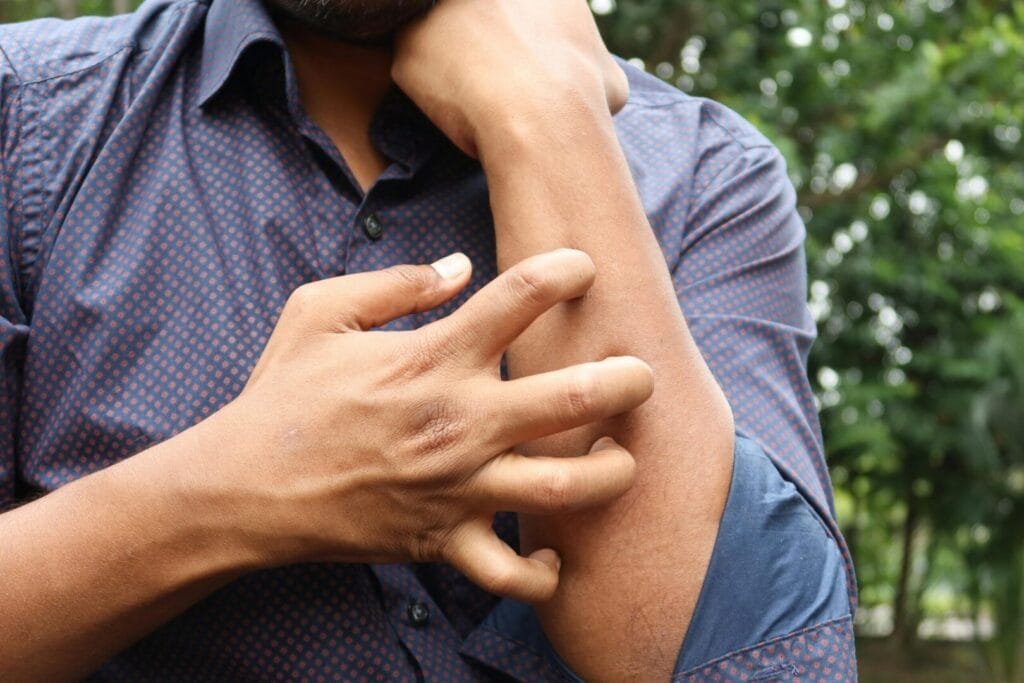
An insect bite becomes infected when bacteria enter the skin, often after scratching. This can cause the area to become increasingly red, swollen, warm, painful, or filled with pus. You may also notice the redness spreading or symptoms worsening several days after the original bite.
Infected insect bites can occur anywhere on the body, including sensitive areas such as the face or around the mouth. Through the NHS Pharmacy First service, trained pharmacy clinicians can assess infected bites quickly – without the need for a GP appointment.
If appropriate, we can provide NHS treatment, advice on caring for the skin, and guidance on when to seek further medical help.

Available Treatments

Safe, effective medications reviewed by our pharmacists

Swipe for more

Our Clinical Team

Rifqa Jibara

Superintendent Pharmacist and Prescriber
GPhC No. 2232122

Ra'eesah Rasan

Clinical Pharmacist
GPhC No. 2240473

Common Questions

How do I know if an insect bite is infected? +

Signs that an insect bite may be infected include:
Increasing redness around the bite.
Swelling that continues to worsen.
Pain or tenderness.
Warmth around the affected area.
Pus or discharge.
Red streaks spreading away from the bite.
Fever or feeling unwell.
If you are concerned about an infected insect bite, our Pharmacy First clinicians can assess your symptoms

Is Pharmacy First infected insect bite treatment free? +

Yes.
The consultation is free for eligible NHS patients.
If medication is supplied, standard NHS prescription charges may apply unless you are entitled to free NHS prescriptions.

Do I need a GP appointment for infected insect bites? +

No.
Eligible patients can access infected insect bite assessment and treatment directly through the pharmacy without needing a GP appointment or referral.

Can pharmacists prescribe antibiotics for infected insect bites? +

Yes.
Under the Pharmacy First Service, pharmacists can supply antibiotics when they are clinically appropriate.
Antibiotics are only supplied when there is evidence that a bacterial infection is likely to be present.

What is the difference between an infected insect bite and a normal insect bite? +

A normal insect bite often causes:
Itching.
Mild redness.
Minor swelling.
An infected insect bite is more likely to cause:
Increasing redness.
Pain rather than itching.
Warmth.
Pus.
Swelling that worsens over time.
Symptoms lasting longer than expected.
Our clinician can help determine whether infection is present.

What if the insect bite is on my face? +

Bites affecting the face are assessed carefully because swelling can develop more quickly in this area.
If there are concerns about infection near the eyes, lips, or airway, urgent referral may be required.

Why is my insect bite swollen? +

Swelling is a normal reaction to many insect bites and occurs because the immune system reacts to insect saliva or venom.
However, significant swelling, worsening redness, increasing pain, or spreading inflammation may suggest infection and should be assessed.

What can I do to help an infected insect bite at home? +

To help support recovery:
Keep the area clean.
Avoid scratching.
Wash hands regularly.
Apply cool compresses if appropriate.
Follow any treatment advice provided by the clinician.
Our clinician will provide personalised self-care guidance.

How long does an infected insect bite take to heal? +

Most infected insect bites begin to improve within a few days of appropriate treatment.
The exact recovery time depends on the severity of the infection and the treatment required.

Will I always need antibiotics for an insect bite? +

Not necessarily.
Some insect bites are inflamed rather than infected and may improve with self-care advice alone.
Where an infection is present, treatment may involve:
Antibiotic cream or ointment.
Oral antibiotics.
Monitoring and self-care advice.
Our clinician will determine the most appropriate treatment based on your symptoms.

Knowledge hub

The Guide To Acetazolamide (Diamox®) for Altitude Sickness at The Kingston Pharmacy, Kingston upon Thames

Insect Bite Complications Explained

The most common complications associated with insect bites, warning signs to look out for, and when to seek professional advice. Contents Are insect bite complications common? Infection: the most common

Read More »

Ready to Get Started?

Get fast, free NHS treatment for Insect Bite symptoms today. No GP wait, no hassle
Checking availability…
Insect Bites
Next: Wed 24 Jun at 8:30am
Get Started Today