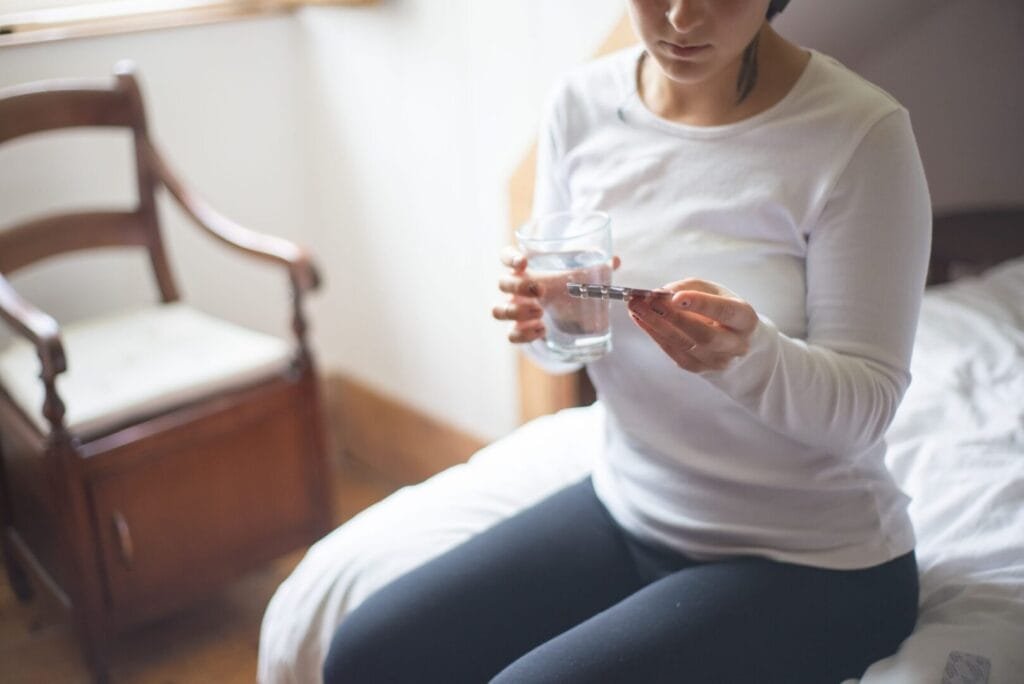
A guide to how oral contraception works, the different types available, and what you can expect when starting the pill for the first time.
What Is the Contraceptive Pill?
The contraceptive pill is a type of oral contraception that helps prevent pregnancy. It works by using hormones to stop ovulation, thicken cervical mucus, and make it more difficult for sperm to reach an egg. When taken correctly, the pill is a highly effective method of contraception.
It can also provide additional benefits for some people, such as helping to regulate periods, reduce menstrual pain and improve acne. Because there are different types available, a healthcare professional will help determine which option may be most suitable for you.
Types of Contraceptive Pill Available
There are two main types of contraceptive pill used in the UK.
The combined contraceptive pill
- Contains two hormones — oestrogen and progestogen
- Works primarily by preventing ovulation
- Can also help with period regulation, heavy periods, period pain and acne symptoms
- May not be suitable for people with certain medical conditions or risk factors
The progestogen-only pill (mini pill)
- Contains a single hormone — progestogen
- Often suitable for people who cannot take oestrogen-containing contraception
- Works by preventing ovulation and thickening cervical mucus
A pharmacist or clinician can discuss the available options and recommend the most appropriate choice based on your medical history and individual needs.
How Effective Is the Pill?
The contraceptive pill is one of the most effective forms of contraception when used correctly. With perfect use, more than 99% of users are protected against pregnancy. Taking your pill consistently and following the instructions provided helps ensure the highest level of protection.
Missing pills
Taking pills late
Vomiting or severe diarrhoea
Certain medications that interfere with the pill
If you are unsure whether your contraception has been affected, a pharmacist can advise you on what to do next.
When Should I Start Taking It?
The best time to start the pill depends on the type of pill prescribed and where you are in your menstrual cycle. Some people start on the first day of their period, while others may begin at a different point. The exact guidance varies depending on the specific contraceptive pill you receive.
During your consultation, the pharmacist will explain when to start taking your medication and whether any additional contraception is needed during the first few days. It is important to follow the instructions provided to ensure you are protected as soon as possible.
How Long Before It Starts Working?
How quickly the pill starts working depends on the type of pill prescribed and when during your cycle you start taking it. In some circumstances, protection may begin immediately — in others, you may need to use additional contraception for a short period after starting treatment.
Your pharmacist will explain exactly when your contraception becomes effective and whether any extra precautions are needed. If you are ever unsure, it is always best to seek advice before relying on the pill alone.
Common Side Effects
Most people take the contraceptive pill without significant problems, but some side effects can occur when starting treatment. Not everyone experiences them, and many people find they are mild and manageable.
Headaches
Nausea
Breast tenderness
Mood changes
Spotting or irregular bleeding
Changes to menstrual bleeding patterns
Because different pills contain different hormones and doses, side effects can vary from person to person.
When Side Effects Usually Settle
One of the most important things to remember when starting the pill is that your body may need time to adjust. Mild side effects are often most noticeable during the first few weeks or months of treatment, and for many people, symptoms improve as hormone levels stabilise and the body becomes accustomed to the medication.
If side effects are severe, persistent or affecting your quality of life, it is important to seek advice. In some cases, changing to a different pill may help — a pharmacist can review your symptoms and discuss alternative options if needed.
How Pharmacies Can Provide the Pill
Many community pharmacies now offer NHS oral contraception services, making it easier to access contraception without needing a GP appointment. This allows many people to start or continue contraception quickly and conveniently through their local pharmacy.
- Discuss your contraceptive needs and review your medical history
- Check whether the contraceptive pill is suitable for you
- Recommend an appropriate option
- Provide oral contraception through NHS-funded services where eligible
- Answer questions about side effects and effectiveness
- Offer ongoing support and confidential advice