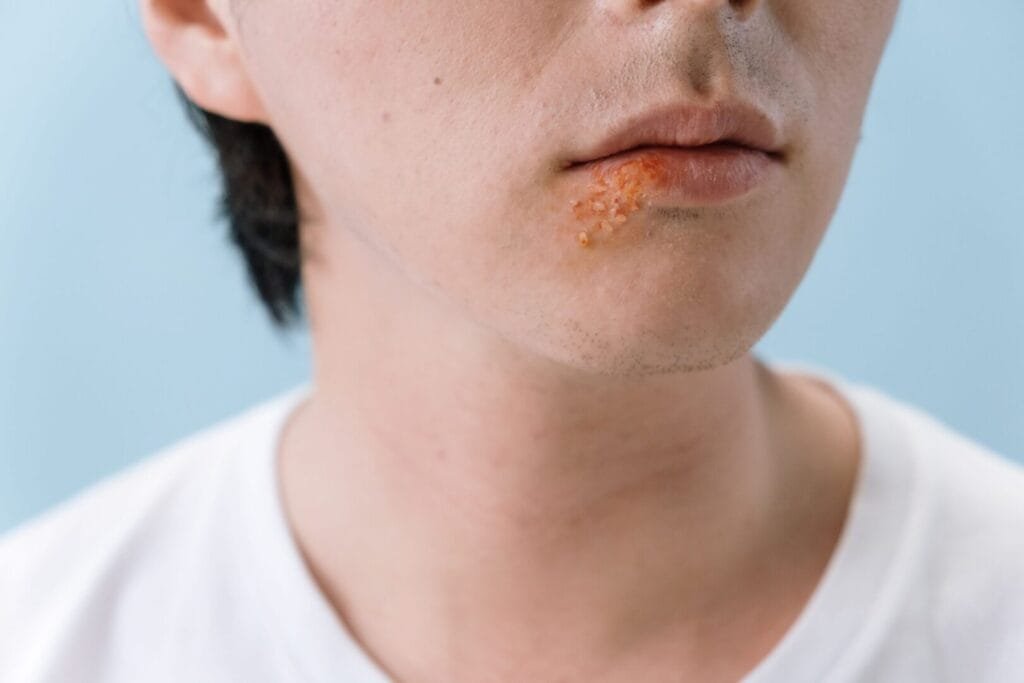
The first signs of impetigo, how symptoms typically develop, how the infection spreads, and how NHS Pharmacy First can help.
What Is Impetigo?
Impetigo is a bacterial skin infection that affects the outer layers of the skin.
It is usually caused by bacteria entering through small breaks in the skin.
Cuts
Scratches
Insect bites
Eczema-affected skin
The infection is highly contagious and can spread through close contact or by touching contaminated items such as towels, bedding, or clothing.
Although impetigo is generally not serious, treatment is often recommended to help clear the infection and reduce transmission.
What Causes Impetigo?
Impetigo is most commonly caused by bacteria known as Staphylococcus aureus and Streptococcus pyogenes.
These bacteria can live harmlessly on the skin but may cause infection when they enter through damaged skin.
Factors that may increase risk include
- Existing skin conditions
- Minor skin injuries
- Warm weather
- Close contact with others who have impetigo
- Frequent skin-to-skin contact
Children are particularly susceptible because they often have close contact with one another and may be more likely to touch affected areas.
What Are the First Signs of Impetigo?
The earliest signs of impetigo are often subtle.
Small red patches
Tiny spots
Areas of irritated skin
Small fluid-filled blisters
These early lesions may not appear particularly concerning at first.
However, unlike many minor skin irritations, impetigo often changes quickly over a period of days.
As the infection develops, the affected areas typically begin to ooze fluid before forming the characteristic crusts associated with impetigo.
How Does Impetigo Develop?
As impetigo progresses, the appearance of the rash becomes more distinctive. The infection often follows a recognisable pattern.
Stage 1: Red spots or sores
- Small red patches or sores appear on the skin
Stage 2: Blisters develop
- Tiny fluid-filled blisters may form
- These can be fragile and often burst easily
Stage 3: Oozing and crusting
- A yellowish or golden-brown crust develops
- This is often described as looking like dried honey
Stage 4: Spread to nearby skin
- Without treatment, infection can spread through touching or scratching
Where Does Impetigo Usually Appear?
Impetigo can develop anywhere on the body but is most commonly seen around the face.
Common facial areas
- The nose
- The mouth
- The chin
- The face
Other possible areas
- Hands
- Arms
- Legs
- Areas of damaged skin
Because the infection frequently occurs around the nose and mouth, it is sometimes mistaken for cold sores or irritated skin.
Who Is Most Likely to Get Impetigo?
Although anyone can develop impetigo, some groups are more likely to be affected.
Higher-risk groups include
- Children
- People with eczema
- Individuals with damaged skin
- Those who have frequent close physical contact with others
- People living in crowded environments
Warm weather and humid conditions may also increase the likelihood of infection.
How Easily Does Impetigo Spread?
Impetigo is highly contagious.
The infection can spread through
- Direct skin-to-skin contact
- Touching affected areas
- Shared towels
- Shared bedding
- Shared clothing
Scratching can also transfer bacteria to other parts of the body, leading to additional areas of infection.
This is one reason why prompt treatment and good hygiene are important.
When Should You Seek Treatment?
You should seek advice if symptoms suggest impetigo or if the rash is spreading or becoming more distinctive.
Seek advice if
- You think the rash may be impetigo
- Yellow or honey-coloured crusts are developing
- The rash is spreading
- Symptoms are worsening
- Other members of the household are affected
Early assessment can help confirm the diagnosis and determine whether treatment may be appropriate.
How Pharmacy First Can Help
Under the NHS Pharmacy First service, trained pharmacists can assess eligible patients with suspected impetigo.
During your consultation, we may
- Review your symptoms
- Assess the appearance of the rash
- Confirm whether impetigo is likely
- Supply treatment where appropriate
- Provide advice on preventing spread
Many patients can access treatment directly through the pharmacy without needing a GP appointment.
If referral is needed, we can also help direct you to the most appropriate healthcare service.
What to Do Next
If you have noticed a rash that is becoming crusty, spreading, or developing the characteristic yellow crusts associated with impetigo, do not ignore the symptoms.
Early assessment can help reduce the spread of infection and ensure you receive appropriate treatment.
Our pharmacy offers confidential NHS Pharmacy First consultations for impetigo and can assess whether treatment may be suitable for you.
If you are concerned about a possible impetigo infection, contact our pharmacy team and we will be happy to help.