What Are the First Signs of Impetigo?
The first signs of impetigo, how symptoms typically develop, how the infection spreads, and how NHS Pharmacy First can help. Contents What is impetigo? What causes impetigo? What are the
⭐ 4.9/5 on Google · GPhC Registered · NHS & Private · Same-day appointments in Kingston
Same-day NHS assessment and treatment for Impetigo
GPhC Approved UK Pharmacy
Same Day Appointments
Confidential Services
Three simple steps to get your treatment
Impetigo is a common and highly contagious bacterial skin infection. It usually starts as red sores or blisters that burst and form characteristic golden-yellow crusts. It most commonly affects children but can occur in adults, especially after cuts, insect bites, or eczema.
Through the NHS Pharmacy First service, trained pharmacy clinicians can assess impetigo quickly without the need for a GP appointment. Early treatment helps clear the infection, reduce spread to others, and support faster healing.
If appropriate, we can supply NHS-funded treatment and provide guidance on hygiene, school attendance, and preventing reinfection.
Safe, effective medications reviewed by our pharmacists
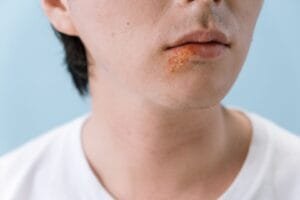
Impetigo usually begins as red sores, spots, or blisters that quickly burst and form distinctive golden or honey-coloured crusts.
Common signs include:
Red sores or patches.
Small fluid-filled blisters.
Honey-coloured crusts.
Itchy skin.
Areas of skin that appear weepy or moist.
The rash is most commonly seen around the nose and mouth but can occur anywhere on the body.
Impetigo is caused by bacteria entering the skin through minor cuts, scratches, insect bites, eczema, or other breaks in the skin.
The infection can spread easily through close contact with an infected person or contaminated items.
Yes.
The consultation is free for eligible NHS patients.
If medication is required, standard NHS prescription charges may apply unless you are entitled to free NHS prescriptions.
Yes.
Impetigo spreads very easily through:
Direct skin-to-skin contact.
Shared towels.
Bedding.
Clothing.
Close contact in schools and nurseries.
Good hygiene and prompt treatment can help reduce the risk of spreading the infection.
Yes.
Under the Pharmacy First Service, pharmacists can supply appropriate antibiotic treatment for eligible patients when clinically indicated.Many cases of impetigo require antibiotic treatment.
Depending on the severity and extent of the infection, treatment may involve Antibiotic cream or ointment.
Children can usually return to school or nursery:
48 hours after starting antibiotic treatment, or
Once all sores have dried and crusted over.
Individual schools or nurseries may have their own policies, so it is worth checking with them directly.
With treatment, impetigo often begins to improve within a few days.
Most infections clear completely within 1 to 2 weeks, although this can vary depending on the severity of the infection.
Yes.
Although impetigo is more common in children, adults can also develop the infection, particularly if they have damaged skin or close contact with an infected person.
To reduce the risk of transmission:
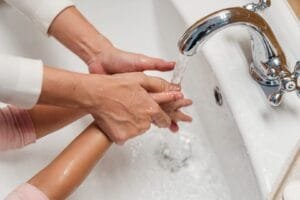
Wash hands regularly.
Avoid touching or scratching the sores.
Do not share towels, bedding, or clothing.
Keep affected areas clean.
Wash clothing and bedding regularly.
Our clinician will provide personalised advice during your consultation
Many patients can be assessed and treated on the same day.
Availability may vary, so we recommend booking as soon as symptoms develop.

The first signs of impetigo, how symptoms typically develop, how the infection spreads, and how NHS Pharmacy First can help. Contents What is impetigo? What causes impetigo? What are the

How impetigo differs from other common skin rashes, the signs that suggest impetigo, and when to seek professional advice. Contents What is impetigo? What does impetigo look like? Impetigo vs
How impetigo spreads, practical steps you can take to prevent transmission, and when treatment may be needed. Contents Why does impetigo spread so easily? How is impetigo passed between people?

What impetigo is, what causes it, how it spreads, and what treatment options may be available through NHS Pharmacy First. Contents What is impetigo? What causes impetigo? What does impetigo