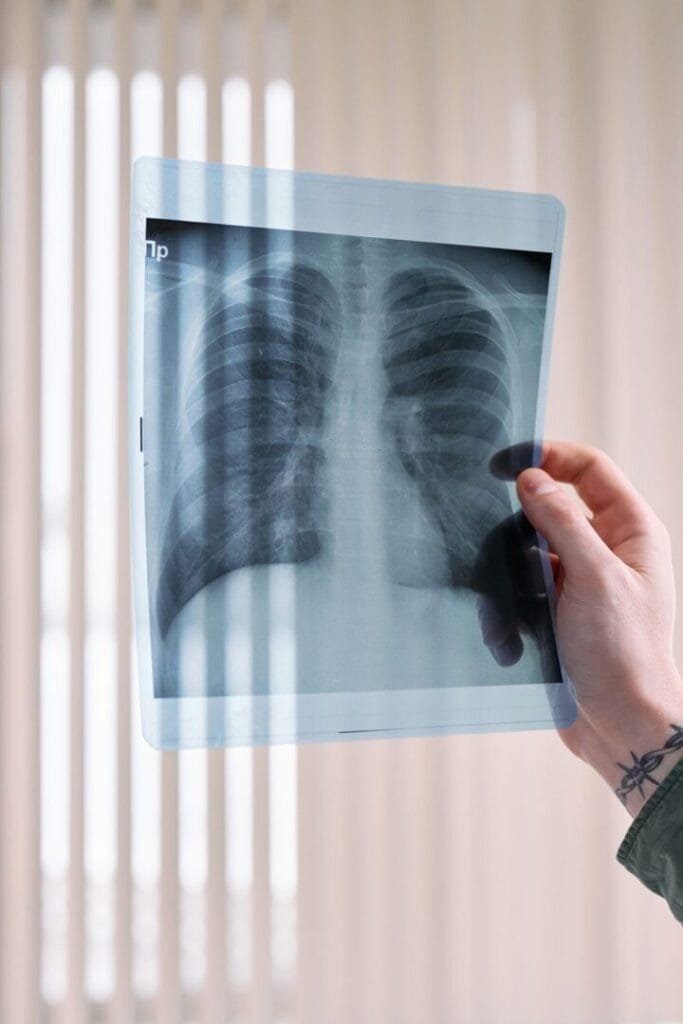
A simple guide to the potential risks of respiratory syncytial virus (RSV), who is most vulnerable to complications, and how vaccination can help protect against serious illness.
Is RSV More Than Just a Cold?
Many people think of RSV as a virus that mainly affects babies and young children. While RSV often causes symptoms similar to a common cold, it can sometimes lead to much more serious illness — particularly in older adults and people with underlying health conditions.
Runny nose
Sore throat
Cough
Fatigue
Mild fever
In some people, the infection can spread to the lower respiratory tract, affecting the lungs and making breathing more difficult. This is why RSV is increasingly recognised as an important cause of hospital admissions among older adults during the winter months.
Common Complications of RSV
Although many people recover without problems, RSV can sometimes lead to complications that require medical treatment. These are more likely in people whose immune systems are less able to fight infection effectively, and can lead to a prolonged recovery.
Bronchitis
Pneumonia
Worsening of asthma
Worsening of chronic obstructive pulmonary disease (COPD)
Increased strain on the heart and lungs
Hospital admission due to breathing difficulties
RSV and Pneumonia
One of the most serious complications associated with RSV is pneumonia — an infection that causes inflammation within the lungs, making it more difficult to breathe and reducing the amount of oxygen reaching the body.
Persistent cough
Shortness of breath
Chest pain
High temperature
Extreme tiredness or weakness
Older adults are particularly vulnerable because pneumonia can develop more quickly and may require hospital treatment. Reducing the risk of RSV infection can therefore help reduce the risk of developing RSV-related pneumonia.
Who Is Most at Risk of Severe Illness?
Anyone can catch RSV, but some people are more likely to develop serious complications. For these groups, an infection that might be mild for someone else can become much more serious.
- Adults aged 75 years and over
- People with chronic heart disease
- People with chronic lung conditions such as COPD or severe asthma
- Individuals with weakened immune systems
- Residents of care homes and long-term care facilities
- People with multiple long-term health conditions
When Should You Seek Medical Attention?
Most RSV infections improve with rest, fluids and time. However, medical advice should be sought if symptoms become more severe or do not improve as expected. Older adults and those with underlying health conditions should be particularly cautious if respiratory symptoms worsen.
Seek medical attention if you experience
- Difficulty breathing or shortness of breath that is worsening
- Chest pain
- Severe weakness or confusion
- Signs of dehydration
- Symptoms that are rapidly getting worse
Prompt medical assessment can help identify complications early and ensure appropriate treatment is provided.
Why Older Adults Face Greater Risks
As we age, our immune systems naturally become less effective at responding to infections. Conditions such as heart disease, COPD and diabetes can increase vulnerability to serious RSV illness — and even a seemingly mild respiratory infection can place additional strain on the body.
Find it harder to fight off viruses
Take longer to recover from illness
Are more likely to develop complications affecting the lungs
May have existing conditions that worsen during infection
This is one reason why preventing RSV is particularly important for older adults.
Why Prevention Is Better Than Treatment
There is currently no specific antiviral treatment routinely used for most RSV infections in adults. Instead, treatment usually focuses on managing symptoms and supporting recovery. Because RSV can progress quickly in vulnerable individuals, prevention is often the most effective approach.
Treatment for severe RSV may involve
- Monitoring breathing and oxygen levels
- Managing complications such as pneumonia
- Hospital care in more serious cases
Reducing the likelihood of infection can help avoid these complications before they occur.
How Vaccination Can Reduce Your Risk
Vaccination helps prepare your immune system to recognise RSV and respond more effectively if you are exposed to the virus. While vaccination cannot guarantee that you will not catch RSV, it can significantly reduce the risk of severe disease.
The RSV vaccine is designed to reduce the risk of
- Severe RSV infection
- RSV-related complications
- Hospital admission due to RSV
- Serious illness affecting the lungs
For people who are eligible, vaccination provides an important layer of protection during the respiratory virus season.
What to Do Next
If you are eligible for RSV vaccination or would like to learn more about protecting yourself against RSV, our pharmacy team can help. We can answer your questions, discuss eligibility, and arrange vaccination where appropriate.
Taking steps to prevent RSV can help reduce your risk of serious illness and provide reassurance throughout the winter months.