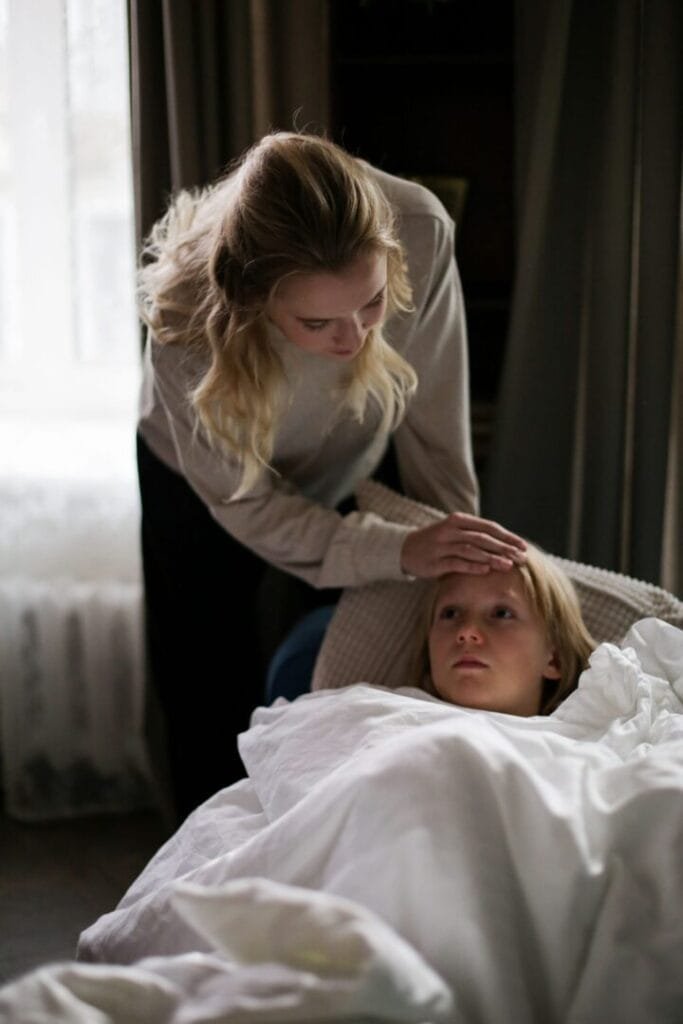
A simple guide to meningitis B, the symptoms to look out for, how quickly it can develop, and how vaccination can help protect against serious illness.
What Is Meningitis B?
Meningitis B (MenB) is a serious bacterial infection caused by Neisseria meningitidis group B bacteria. The infection can lead to meningitis — an inflammation of the protective lining surrounding the brain and spinal cord — and can also cause septicaemia (blood poisoning), a potentially life-threatening condition that occurs when bacteria enter the bloodstream.
Although meningitis B is relatively uncommon, it remains one of the most serious infections seen in children and young adults because of how quickly it can progress. Many people recover fully with prompt treatment. However, in some cases the infection can cause serious complications, including hearing loss, neurological problems, limb damage, or death.
Why Is Meningitis B Taken So Seriously?
One of the biggest challenges with meningitis B is that the early symptoms can look very similar to common illnesses such as flu, a viral infection, or even a stomach bug. Someone may initially feel tired, feverish, or generally unwell before becoming seriously ill within a matter of hours.
Because the infection can progress rapidly, recognising the warning signs and seeking urgent medical attention is extremely important. Early diagnosis and treatment can significantly improve outcomes.
What Are the Symptoms of Meningitis B?
The symptoms of meningitis B can vary from person to person and may not all appear at the same time. Early symptoms often include a fever, headache, muscle aches, nausea, vomiting, and unusual tiredness. Some people may also develop cold hands and feet despite having a fever.
As the infection progresses, symptoms can become more severe and may include:
- A stiff neck
- Sensitivity to bright light
- Confusion or difficulty concentrating
- Drowsiness or difficulty waking
- Rapid breathing
- Seizures
Not everyone will experience every symptom, which is why it is important to consider the overall picture if someone appears seriously unwell.
Symptoms in Babies and Young Children
Recognising meningitis in babies and young children can be more difficult because they may not be able to describe how they feel.
Signs to watch for in babies and young children
- Unusually irritable or difficult to settle
- Difficult to wake or unusually drowsy
- Refusing feeds
- Crying more than normal, particularly a high-pitched cry
- Appearing floppy or lacking energy
- A bulging soft spot on the top of the head (fontanelle)
If a baby or young child appears seriously unwell, it is always best to seek urgent medical advice.
What Is the Meningitis Rash?
Many people associate meningitis with a distinctive rash, but it is important to understand that a rash does not always occur. The rash is usually linked to meningococcal septicaemia and develops when bacteria damage small blood vessels under the skin. It may start as tiny red or purple pinprick marks before developing into larger areas that resemble bruising.
The glass test
Press a clear glass firmly against the rash. If the rash does not fade under pressure, seek urgent medical attention immediately.
Never wait for a rash to appear before seeking help. Many people with meningitis become seriously ill before a rash develops, and some never develop one at all.
When Should You Seek Medical Help?
Meningitis B should always be treated as a medical emergency. Trust your instincts — if someone appears significantly more unwell than you would expect from a typical viral illness, seek advice promptly.
Seek urgent medical help immediately if you notice
- A severe headache with neck stiffness
- Unusual drowsiness or difficulty waking
- Confusion or disorientation
- Seizures
- A rash that does not fade under pressure (glass test)
- A baby or child who is unusually unwell, floppy, or inconsolable
Can Meningitis B Be Prevented?
Vaccination is one of the most effective ways to reduce the risk of meningitis B disease. The MenB vaccine used in the UK is called Bexsero®. It helps the immune system recognise and fight meningococcal B bacteria before they have the opportunity to cause serious illness.
While no vaccine can provide complete protection, vaccination significantly reduces the risk of developing MenB disease and its potentially life-changing complications. Vaccination has played an important role in reducing cases of meningitis B since its introduction into the UK childhood immunisation programme.
Who Is Most at Risk?
Meningitis B can affect people of any age, but some groups are at greater risk than others. Babies and young children experience the highest rates of disease. Teenagers and young adults are also more likely to be affected, particularly those living, studying, or socialising in close-contact environments.
University students are often highlighted as a higher-risk group because shared accommodation and increased social contact can make it easier for infections to spread. Many young adults now entering university were born before the MenB vaccine became part of the routine childhood vaccination programme and may not have received protection against the disease.
What to Do Next
Although meningitis B is uncommon, it remains a serious infection that can develop rapidly and have devastating consequences. Understanding the symptoms, recognising the warning signs, and knowing when to seek urgent medical help can make an important difference.
If you would like to learn more about meningitis B vaccination or discuss whether Bexsero® vaccination may be appropriate for you or a family member, our team at The Kingston Pharmacy can help. Book an appointment today to receive personalised advice and discuss your vaccination options.