
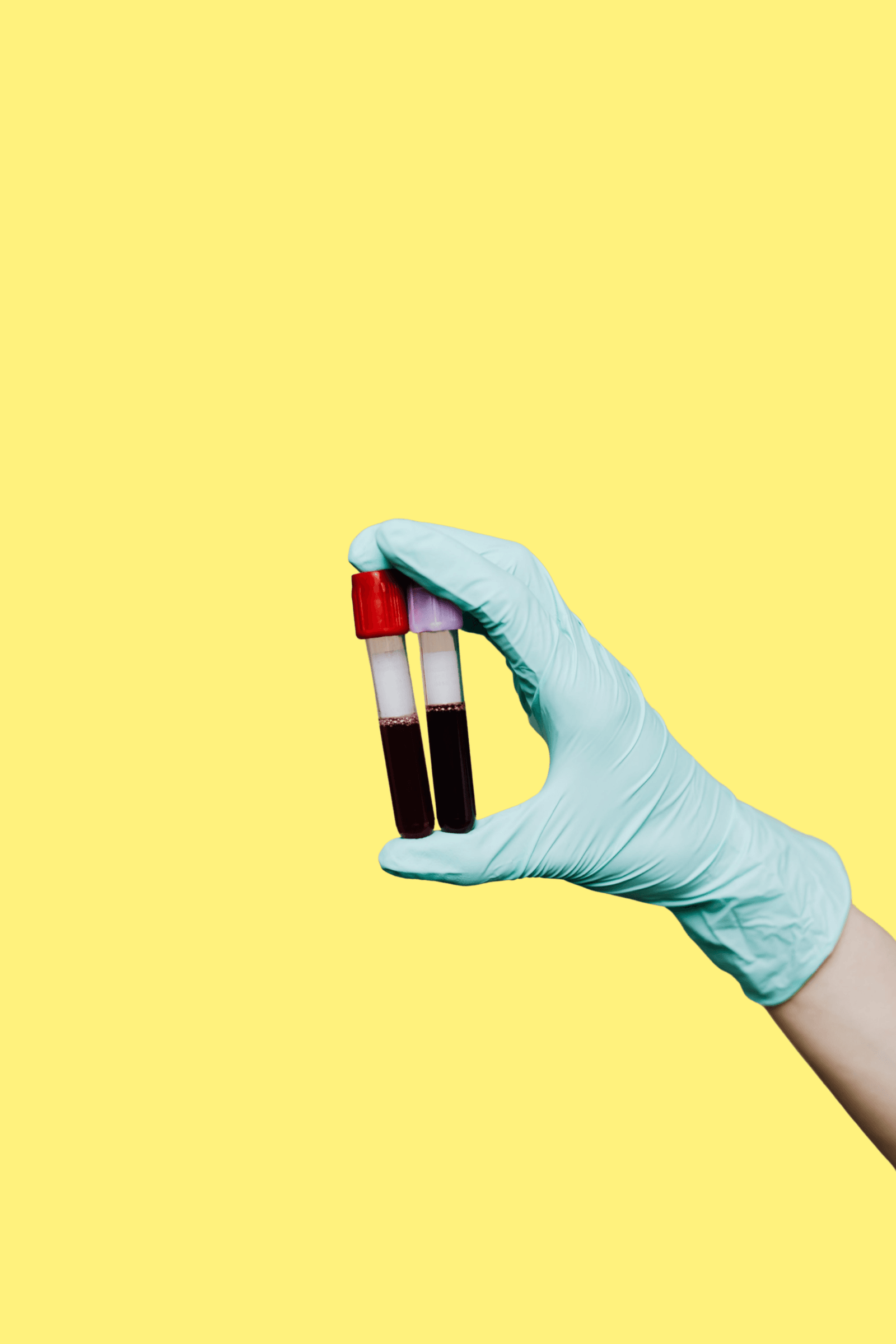
Tiredness & Fatigue Blood Test
Original price was: £155.00.£139.00Current price is: £139.00.
Designed for patients with persistent tiredness, low energy, brain fog, poor concentration and unexplained fatigue. Blood test to identify some of the most common causes of tiredness
Rather speak to someone first? See our Blood Pressure Test clinic →
Description
Feeling constantly tired is one of the most common reasons people seek medical advice.
Whether you’re struggling with low energy, brain fog, poor concentration, reduced productivity or feeling exhausted despite adequate sleep, this blood test is designed to investigate some of the most common underlying causes of fatigue.
The Tiredness & Fatigue Blood Test provides a focused assessment of iron status, vitamin levels, thyroid function and blood health to help identify possible explanations for persistent tiredness and low energy.
Why Consider a Fatigue Blood Test?
Fatigue can have many causes.
While lifestyle factors such as stress, poor sleep and busy schedules often play a role, underlying nutritional deficiencies and medical conditions may also contribute.
This test is designed to investigate some of the most common physical causes of fatigue, helping you gain a clearer understanding of your health.
You may benefit from this test if you experience:
- Persistent tiredness
- Low energy levels
- Brain fog
- Difficulty concentrating
- Reduced productivity
- Shortness of breath on exertion
- Feeling run down
- Reduced exercise tolerance
- Poor recovery after activity
What Does This Test Assess?
Iron Status
Iron deficiency is one of the most common causes of fatigue and low energy.
This profile measures:
- Iron
- Ferritin
- Total Iron Binding Capacity (TIBC)
- Unsaturated Iron Binding Capacity (UIBC)
- Transferrin Saturation
Together, these markers provide a detailed assessment of your iron stores and how effectively iron is being transported throughout the body.
Low iron levels may contribute to:
- Fatigue
- Weakness
- Dizziness
- Poor concentration
- Reduced physical performance
Vitamin D
Vitamin D plays an important role in:
- Energy levels
- Muscle function
- Immune health
- Bone health
Low vitamin D levels are extremely common in the UK and may contribute to tiredness, muscle aches and reduced wellbeing.
Thyroid Function
The thyroid gland regulates metabolism and energy production.
This profile measures:
- Thyroid Stimulating Hormone (TSH)
- Free T4
An underactive thyroid can cause symptoms such as:
- Fatigue
- Weight gain
- Low mood
- Brain fog
- Increased sensitivity to cold
Full Blood Count
A full blood count assesses several important blood cell markers, including:
- Haemoglobin
- Red blood cells
- White blood cells
- Platelets
These tests help identify anaemia and provide a general overview of blood health.
Anaemia Screening
Anaemia occurs when the body does not have enough healthy red blood cells to transport oxygen effectively.
Common symptoms include:
- Persistent fatigue
- Breathlessness
- Dizziness
- Reduced exercise capacity
- Poor concentration
This profile includes multiple markers used to assess anaemia and related blood disorders.
Why Are Iron & Vitamin Deficiencies Important?
Many people live with low iron or vitamin levels for months or even years before they are identified.
Because symptoms often develop gradually, they can easily be mistaken for stress, ageing or a busy lifestyle.
Identifying and correcting nutritional deficiencies can often have a significant impact on energy levels and overall wellbeing.
Who Is This Test Suitable For?
This test is ideal for people who:
- Feel tired most of the time
- Experience brain fog or poor concentration
- Want to investigate possible causes of fatigue
- Have concerns about iron deficiency
- Want to assess thyroid health
- Feel run down despite getting enough sleep
- Want reassurance that common medical causes of fatigue have been assessed
What’s Included?
✓ Comprehensive fatigue investigation
✓ Iron deficiency screening
✓ Vitamin D assessment
✓ Thyroid function testing
✓ Full blood count
✓ UKAS-accredited laboratory testing
✓ Healthcare professional review
Turnaround Time
Most results are available within 1–2 working days after your sample reaches the laboratory.
Biomarkers Included
Free T4 (Thyroxine), TSH, Vitamin D, Iron, Ferritin, Transferrin Saturation, Total Iron Binding Capacity, Unsaturated Iron Binding Capacity, Haemoglobin, Red Blood Cell Count, Haematocrit, White Blood Cell Count, Platelet Count, Mean Cell Volume (MCV), Mean Cell Haemoglobin (MCH), Mean Cell Haemoglobin Concentration (MCHC), Red Cell Distribution Width (RDW) and Mean Platelet Volume (MPV).
Additional information
| Biomarkers | Testing 18 fatigue biomarkers |
|---|---|
| Covering | Tests for anaemia & vitamin deficiencies |
| Covering 2 | Tests for thyroid dysfunction |
| Lab | UKAS-accredited laboratory analysis. |