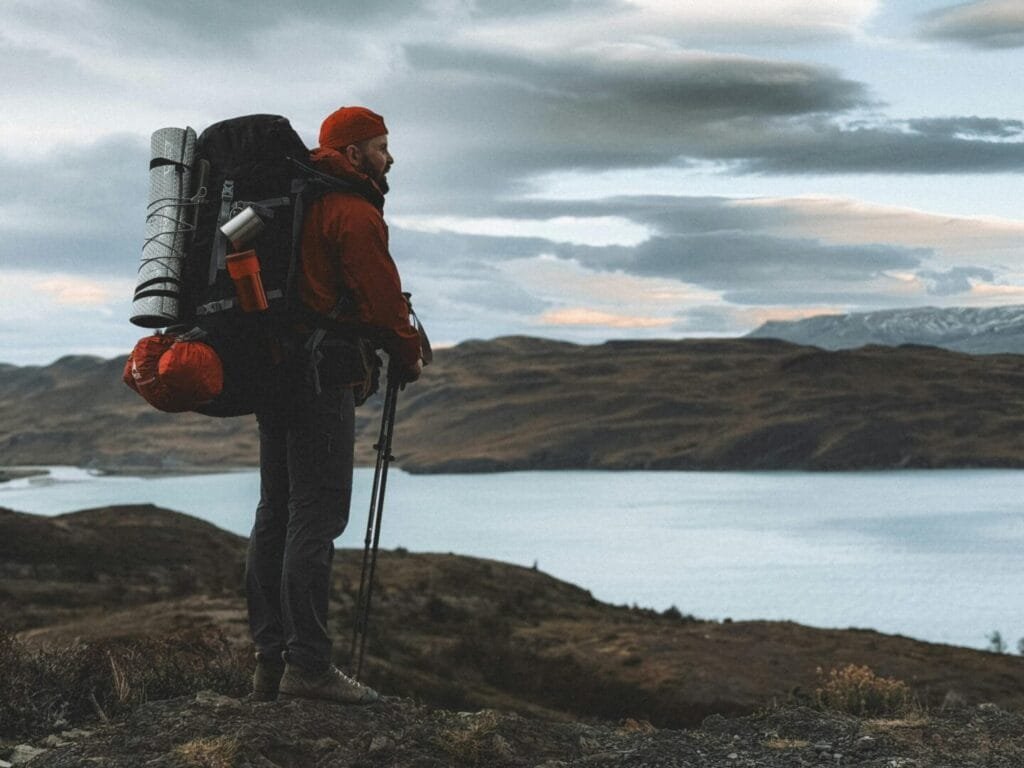
A practical guide to vaccines, illnesses, and staying healthy while backpacking abroad.
Why Backpackers Face Different Travel Health Risks
Backpacking is one of the most exciting ways to travel. At the same time, it increases exposure to health risks that many short-term tourists never encounter — from eating in varied local settings and staying in shared accommodation to travelling through rural regions and encountering animals more frequently.
This does not mean backpacking is unsafe. It means preparation matters more. Many backpacker illnesses are preventable with the right vaccines, advice and precautions before travelling.
Why Backpacking Increases Infection Exposure
One of the biggest differences with backpacking is that exposure accumulates over time. The longer you travel, the more mosquito bites, food and water exposure, and transport changes occur. Backpackers also often travel spontaneously, which can mean entering higher-risk regions unexpectedly or crossing borders without healthcare planning.
Common health issues
- Traveller’s diarrhoea
- Mosquito-borne infections
- Animal bites
- Skin infections
- Dehydration and heat exhaustion
- Respiratory infections
- Injuries from transport or activities
Backpacker risk factors
- Longer periods abroad
- Rural and remote travel
- Shared accommodation
- Spontaneous route changes
- Increased animal contact
- Delayed access to healthcare
Many travellers focus heavily on vaccines but underestimate practical day-to-day risks abroad.
The Most Important Vaccines for Backpackers
Backpacker vaccine recommendations depend on destinations, length of travel, rural exposure, activities, accommodation style and previous vaccination history.
Food & water infection
Hepatitis A
Spreads through contaminated food and water. Backpackers face increased exposure through street food, rural travel and lower-cost accommodation. Can cause fever, fatigue, nausea, jaundice and severe illness lasting weeks or months.
Food & water infection
Typhoid
Commonly discussed during backpacker consultations. Risk increases on longer trips, backpacking routes through rural areas and lower sanitation settings. Dehydration and illness can disrupt extended travel plans very quickly.
Animal bite risk
Rabies
One of the most important and most misunderstood backpacker vaccines. Once symptoms develop, rabies is almost always fatal. Particularly valuable for backpackers who travel long-term, may be far from reliable healthcare, or where post-bite treatment is difficult to access quickly.
Blood & bodily fluid exposure
Hepatitis B
Risk increases during long-term travel through medical treatment abroad, accidents, tattoos or piercings, sexual contact and blood exposure. Longer trips naturally increase opportunities for unexpected exposure.
Mosquito-borne infection
Japanese Encephalitis
May be relevant for long-term Asia travel, rural routes, farming areas and monsoon season travel. Risk is usually low for short city-based trips but can increase significantly on backpacking routes.
Why Rabies Is a Bigger Risk Than Most Backpackers Realise
One of the biggest travel health misconceptions is “I’ll just avoid animals.” Many bites happen unexpectedly — from monkeys grabbing food, stray dogs approaching travellers, animals in temples or tourist sites, and feeding wildlife for photos.
Backpackers are particularly vulnerable because they spend more time outdoors, visit remote regions, use scooters or bicycles and often have delayed access to healthcare. Access to rabies treatment abroad is also not always straightforward — in some regions, rabies immunoglobulin may be unavailable, clinics difficult to reach, and language barriers may delay treatment.
High-risk destinations for animal bites include
- Thailand and Bali
- Vietnam and India
- Sri Lanka
- Parts of Africa and South America
Vaccination before travel can simplify management significantly if a bite occurs. Many travellers regret not considering rabies vaccination before travelling.
Malaria Prevention for Backpackers
Malaria remains one of the most important travel health risks in many backpacking destinations. Backpackers are often at increased risk because they travel rurally, spend time outdoors at night, use budget accommodation and stay longer in risk areas. Without prompt treatment, malaria can become life-threatening.
Mosquito bite prevention
- DEET insect repellent
- Long sleeves and trousers at night
- Mosquito nets when needed
- Air-conditioned rooms where possible
Antimalarial tablets
- Different options suit different travellers
- Depends on route and length of trip
- Medical history is considered
- Side effect concerns can be discussed
Malaria symptoms — including fever, chills, sweats, muscle aches and fatigue — can appear weeks after exposure. Any fever after visiting a malaria-risk area should be assessed urgently, even after returning home.
Food, Water, and Traveller’s Diarrhoea
Traveller’s diarrhoea is almost considered a backpacker rite of passage — but severe illness can ruin trips very quickly. Backpackers are often exposed through street food, unsafe water, ice, shared cooking spaces and poor hygiene conditions.
Helpful precautions
- Drink bottled or treated water throughout the day
- Avoid unsafe ice
- Choose freshly cooked food
- Wash hands regularly before eating and after toilet use
Just-in-case medication can also be prescribed before travel to manage symptoms quickly if diarrhoea develops. Dehydration can escalate rapidly on long travel days.
Hostel Hygiene and Common Backpacker Illnesses
Hostels increase exposure to coughs and colds, COVID-19, influenza, stomach bugs and skin infections through shared bathrooms, kitchens, dormitories and bedding. Sleep deprivation and alcohol can also weaken immunity over time.
Helpful precautions in shared accommodation
- Regular hand hygiene
- Keep toiletries and valuables separate
- Use flip-flops in communal showers
- Avoid sharing towels or razors
Mosquito Bites, Dengue, and Tropical Infections
Many backpackers think only about malaria, but mosquitoes can also spread dengue fever, Zika virus, chikungunya and Japanese encephalitis. Importantly, some mosquitoes bite during the daytime — meaning mosquito protection should not only happen in the evening.
Backpackers often forget to reapply insect repellent in hot climates, beach environments and humid weather. Consistent repellent use is one of the most effective preventative measures while travelling.
Trekking, Scooters, and Injury Risks Abroad
One of the most overlooked backpacker health risks is injury. Road traffic accidents are a major cause of serious traveller injury worldwide. Backpackers commonly rent scooters, trek remotely, ride motorcycles, participate in water sports and travel overnight on unfamiliar transport.
Helpful precautions
- Always wear a helmet when using a scooter or motorcycle
- Avoid alcohol before driving or riding
- Check travel insurance coverage for activities
- Carry basic first aid supplies
Many travellers prepare thoroughly for vaccines but significantly underestimate accident risk abroad.
Sexual Health and Blood-Borne Infection Risks
Long-term travel can increase situations involving new sexual partners, alcohol, reduced caution and medical treatment abroad. This is an important part of travel health that many travellers avoid discussing before departure.
Helpful precautions
- Carry condoms
- Avoid unregulated tattoos or piercings
- Seek prompt medical care after any risky exposure
- Ensure hepatitis B vaccination is up to date before travel
Risks include hepatitis B, HIV and other sexually transmitted infections. Being aware and prepared is part of responsible long-term travel planning.
Managing Medications While Backpacking
Backpackers taking regular medication should prepare carefully. Some medications available in the UK may be unavailable abroad, restricted legally or differ in quality — travellers should never assume they can easily replace medication overseas.
- Carry enough medication for the full trip
- Keep medicines in original packaging
- Split supplies between bags in case of loss or theft
- Carry prescriptions or medical letters
Heat, Dehydration, and Exhaustion
Many backpackers underestimate how physically exhausting long-term travel can become. Heat, humidity, poor sleep, alcohol and long journeys can all contribute to fatigue, dehydration, heat exhaustion and burnout. Backpackers often try to do too much too quickly, especially early in trips.
Helpful precautions
- Drink fluids regularly throughout the day
- Take scheduled rest days — especially in hot climates
- Avoid excessive alcohol
- Wear sunscreen and lightweight clothing
- Eat properly and maintain nutrition
What to Do If You Become Ill Abroad
Backpackers often delay medical care because they do not want to interrupt travel, worry about costs, or assume symptoms will pass. However, some symptoms require prompt medical attention and should not be ignored.
Seek medical attention for any of the following
- Fever after mosquito exposure — including after returning home
- Persistent diarrhoea or severe dehydration
- Animal bites or scratches of any kind
- Breathing difficulty
- Severe abdominal pain
Any fever after visiting malaria-risk areas should be treated urgently — malaria symptoms can appear weeks after exposure and should never be assumed to be a minor illness.
What to Do Next
Backpacking preparation is about more than a checklist of vaccines. The best outcomes come from a personalised consultation that considers your specific route, activities, length of trip and medical history.
You can begin by booking a travel health consultation with one of our clinicians. During your appointment, your itinerary and health background will be reviewed to create recommendations tailored specifically to your trip. With the right preparation, most backpacker health risks can be significantly reduced — helping you travel further, for longer, with greater confidence.