A practical guide to avoiding common travel illnesses, staying safe overseas, and reducing health risks while travelling.
- Why people commonly become unwell while travelling
- Preparing properly before you travel
- Food and water safety abroad
- Avoiding traveller’s diarrhoea
- Safe drinking water advice
- How to reduce the risk of mosquito bites
- Sun, heat, and dehydration risks
- Staying healthy during flights and long journeys
- Animal bites and rabies risks
- Swimming, beaches, and water-related infections
- Managing medications while travelling
- Travel health advice for children and older travellers
- What to pack in a travel health kit
- What to do if you become unwell abroad
- When to seek urgent medical attention
- What to do next
Why People Commonly Become Unwell While Travelling
Travelling exposes your body to new environments, climates, food, water, insects, and infections that you may not normally encounter in the UK. Even healthy travellers can become unwell abroad.
- Traveller’s diarrhoea
- Food poisoning
- Dehydration and heat exhaustion
- Sunburn
- Insect-borne infections
- Respiratory infections
- Unsafe food or water
- Insect bites
- Poor hygiene
- Excessive sun exposure
- Dehydration
- Lack of preparation
The good news is that many of these illnesses are preventable with the right advice and preparation. Simple precautions can make a significant difference to your health while travelling.
Preparing Properly Before You Travel
Good travel health starts before you leave home. Ideally, travellers should prepare several weeks before departure — particularly for vaccinations, malaria advice, medication planning, and travel insurance.
- Check destination-specific health risks
- Ensure routine vaccinations are up to date
- Arrange enough medication for your trip
- Understand local healthcare access
- Pack appropriate travel medicines
Many travellers only think about travel health shortly before departure. Preparation is one of the most effective ways to reduce avoidable health risks abroad.
Food and Water Safety Abroad
Food and water-related illness is one of the most common reasons travellers become unwell overseas — and food that looks completely normal can still carry harmful bacteria or viruses.
- Freshly cooked food served piping hot
- Fruit you peel yourself
- Pasteurised dairy products
- Bottled or treated water
- Raw seafood
- Undercooked meat
- Salads washed in unsafe water
- Buffet food left standing
- Ice made from unsafe water
Good hand hygiene is equally important — especially before eating, after using the toilet, after touching animals, and before preparing food. Alcohol hand gel can help when soap and water are unavailable.
Avoiding Traveller’s Diarrhoea
Traveller’s diarrhoea is one of the most common travel-related illnesses. Although usually mild, it can quickly disrupt a trip and sometimes becomes more serious due to dehydration — particularly in children, older adults, pregnant travellers, and people with medical conditions.
The risk can be reduced by being cautious with food and water, washing hands regularly, avoiding unsafe ice and tap water, and choosing freshly cooked meals. If diarrhoea develops, drink plenty of fluids, rest, and use oral rehydration solutions if needed. Just-in-case medication can also be obtained to control symptoms once they begin. Medical advice should be sought if symptoms are severe, persistent, bloody, or associated with high fever.
Safe Drinking Water Advice
In some destinations, tap water may not be safe to drink. Travellers should also remember that unsafe water may be present in ice cubes, salads, and fruit washed in local water — even in luxury hotels and resorts.
- Use bottled, boiled, or properly treated water
- Avoid drinks with ice
- Keep bottled water sealed until opened
- Use safe water when brushing teeth
How to Reduce the Risk of Mosquito Bites
Mosquito bites are more than just irritating. In some countries, mosquitoes can spread serious infections including malaria, dengue fever, yellow fever, Zika virus, and Japanese encephalitis. Exposure can occur in cities, resorts, beaches, and urban tourist areas — not just remote locations.
- Using insect repellent containing DEET
- Wearing long sleeves and trousers in the evenings
- Sleeping in screened or air-conditioned rooms
- Using mosquito nets where needed
- Applying repellent regularly in hot climates
If travelling to a malaria-risk area, antimalarial tablets may also be recommended. Mosquito prevention is especially important for pregnant travellers, children, long-term travellers, and backpackers.
Sun, Heat, and Dehydration Risks
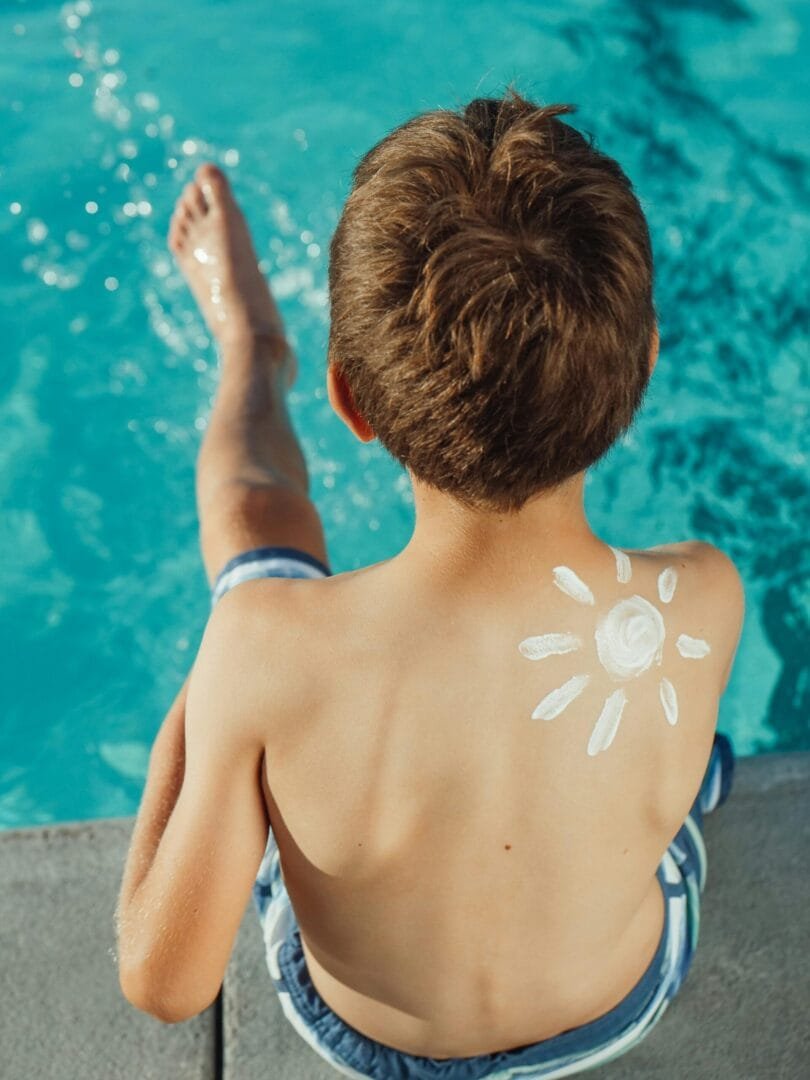
Hot climates can place significant stress on the body, particularly during heatwaves, high humidity, and intense sun exposure. Risk increases with alcohol consumption, physical activity, long periods outdoors, and poor fluid intake. Children and older adults are often more vulnerable to heat-related illness.
- Drink fluids regularly throughout the day
- Limit alcohol in extreme heat
- Wear light, loose clothing
- Use sunscreen and seek shade during peak heat
Staying Healthy During Flights and Long Journeys
Long-haul travel can increase the risk of dehydration, jet lag, swelling, and deep vein thrombosis (DVT). People at higher risk of DVT include older travellers, pregnant travellers, those with previous blood clots, and travellers with limited mobility.
- Stay hydrated and avoid excessive alcohol
- Move regularly and stretch your legs during the flight
- Wear loose, comfortable clothing
Travel fatigue can also weaken your immune system, making you more vulnerable to illness after arrival.
Animal Bites and Rabies Risks
Many travellers do not realise how common animal bites are abroad. Dogs, monkeys, cats, and other mammals can carry rabies in some countries. Rabies is extremely serious — symptoms are almost always fatal once they develop, and early treatment after exposure is essential.
- Avoid touching stray animals
- Supervise children carefully around animals
- Avoid feeding monkeys or wildlife
- Seek urgent medical attention after any bite or scratch — even minor ones
Children are particularly vulnerable as they may approach animals more easily, not report bites immediately, or sustain bites closer to the face or head.
Swimming, Beaches, and Water-Related Infections
Swimming abroad is usually safe in properly maintained pools and designated safe areas, but some water exposures can increase infection risk — particularly contaminated freshwater, poorly maintained pools, parasites, and skin infections.
- Swallowing untreated water
- Swimming in visibly contaminated water
- Entering water with open wounds
Water-based activities in lakes, rivers, and untreated freshwater can carry additional infection risks in some countries.
Managing Medications While Travelling
Travellers taking regular medication should prepare well in advance. Some medications commonly used in the UK may be restricted in certain countries, so it is important to check legal restrictions at your destination before travelling.
- Take enough medication for the full trip plus a small reserve
- Carry medicines in original packaging
- Keep medication in hand luggage where possible
- Carry a copy of your prescriptions and a medical summary if needed
- Pack spare medication separately in case of loss
Travellers should avoid assuming medication will be easily available overseas.
Travel Health Advice for Children and Older Travellers
Children and older adults can be more vulnerable to dehydration, heat illness, food and water infections, and insect bites. Extra planning is often important for these groups.
- May dehydrate more quickly
- May forget hygiene precautions
- More likely to touch animals
- May need age-specific vaccine advice
- May have existing medical conditions
- Reduced mobility can increase DVT risk
- Medication interactions to consider
- Increased vulnerability to infection
What to Pack in a Travel Health Kit
Preparing before travel is far easier than trying to locate medication abroad. A basic travel health kit may include:
Additional items may depend on your destination, length of travel, medical history, and planned activities.
What to Do If You Become Unwell Abroad
If you become unwell while travelling, rest, stay hydrated, and monitor your symptoms carefully. Seek medical advice if symptoms worsen or do not improve.
- Fever develops after mosquito exposure
- Severe dehydration occurs
- Symptoms are persistent or not improving
- There is blood in diarrhoea
- Breathing difficulties occur
Travellers returning from malaria-risk areas should seek urgent assessment if they develop a fever after returning home. Malaria symptoms can sometimes appear after travel has ended.
When to Seek Urgent Medical Attention
Do not delay seeking medical advice if symptoms are severe or worsening.
- Severe dehydration
- Chest pain or difficulty breathing
- Confusion or altered consciousness
- Persistent high fever
- Severe allergic reactions
- Animal bites or scratches
- Suspected malaria symptoms
- Bloody diarrhoea or severe abdominal pain
What to Do Next
Staying healthy abroad is about more than just vaccines. Good travel preparation also includes food and water precautions, mosquito protection, medication planning, and understanding destination-specific risks.
Before travelling, it is worth arranging a travel health consultation to review your destination risks, discuss vaccines and malaria prevention, understand food and water precautions, and receive personalised travel advice. With the right preparation and practical precautions, many common travel illnesses can be reduced significantly — helping you travel more safely and with greater peace of mind.