A complete patient guide to travel vaccines, travel medicines, and staying healthy abroad.
- Why travel vaccines matter
- What travel vaccines actually do
- Why some destinations carry higher health risks
- Required vs recommended vaccines: what’s the difference?
- How long before travel should you get vaccinated?
- Is it still worth getting vaccines last minute?
- What happens during a travel health consultation?
- Which travel vaccines are available on the NHS?
- Understanding private travel vaccine costs
- Travel vaccines during pregnancy
- Travel health advice for children and families
- Common side effects and vaccine safety
- What to do next
Why Travel Vaccines Matter
Many people associate holidays with relaxation, adventure, and exploring somewhere new. What’s often overlooked is that travelling also exposes you to diseases and infections that may be uncommon in the UK — from differences in food and water hygiene to mosquito-borne diseases and limited access to medical care.
For many travellers, vaccines are not just about avoiding a short illness during a trip. Some travel-related infections — such as hepatitis A, typhoid, rabies, and yellow fever — can cause serious complications, long recovery periods, hospitalisation abroad, or long-term health problems, especially if treatment is delayed or unavailable.
Travel health is not about creating fear around travel. It is about reducing avoidable risks so you can travel more safely and confidently.
What Travel Vaccines Actually Do
Travel vaccines work by training your immune system to recognise and fight certain infections before you encounter them. If you are exposed while travelling, your body can respond more quickly, your risk of becoming seriously ill is reduced, and in some cases infection may be prevented entirely.
Unlike routine UK vaccinations, travel vaccines are tailored to your destination, length of travel, type of trip, planned activities, and medical history. Travel health advice should always be personalised rather than one size fits all.
Why Some Destinations Carry Higher Health Risks
Different countries carry different infectious disease risks. Even within the same country, risk levels can vary significantly depending on whether you are in a rural or urban environment, and how you are travelling.
Mosquito-borne diseases such as malaria, dengue, and yellow fever are more prevalent.
Food and water infections including hepatitis A, typhoid, and cholera are more common.
Rabies risk is higher in countries with large stray dog or bat populations.
Yellow fever exists only in specific regions — entry requirements and vaccination may apply.
Required vs Recommended Vaccines: What’s the Difference?
Travel vaccines fall into two broad categories, and understanding the difference helps you prepare properly.
Must have for entry into certain countries. Based on international public health rules.
- Yellow fever certificate for entry to some countries
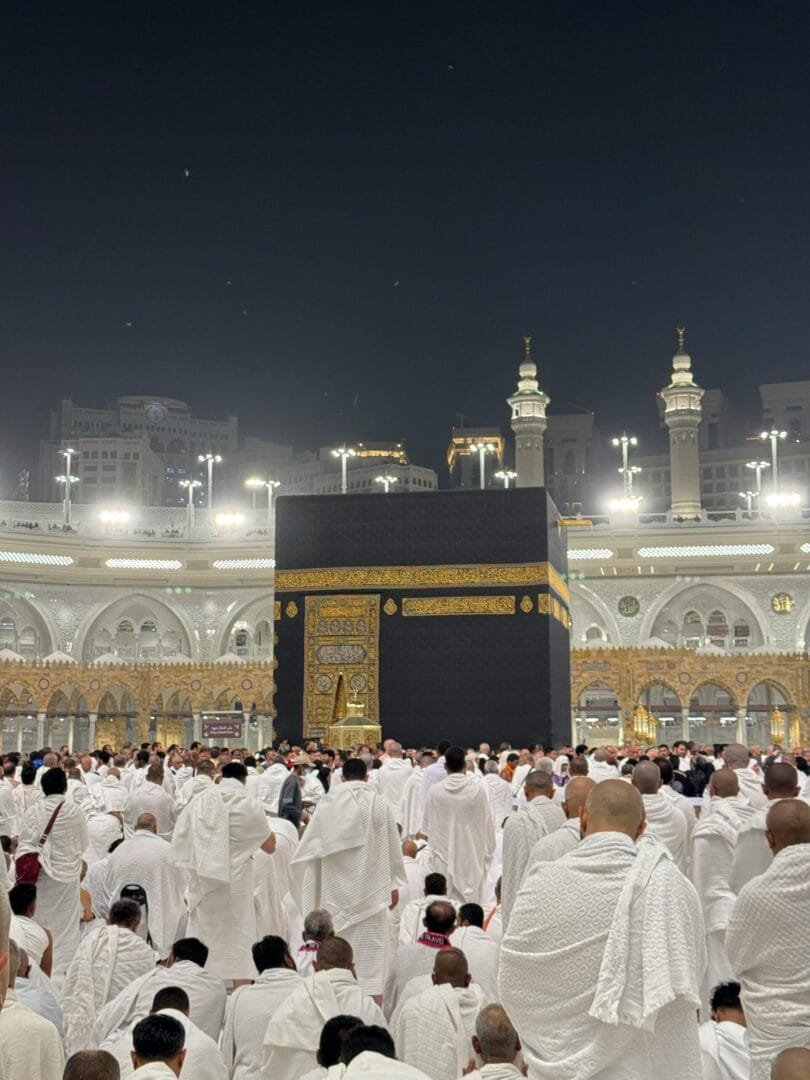
- Meningitis ACWY for Hajj and Umrah pilgrimages
Not legally required but strongly advised to protect your health. Often the most relevant for real-world illness.
- Hepatitis A and Typhoid
- Rabies
- Japanese encephalitis
- Cholera
Many travellers assume that if a vaccine is “not required,” it is unnecessary. In reality, recommended vaccines are often the ones most likely to protect you from genuine illness during your trip.
How Long Before Travel Should You Get Vaccinated?
Ideally, travellers should seek advice around 6 to 8 weeks before departure. This allows time for full vaccine courses, maximum immunity development, and any follow-up doses that may be needed.
weeks before departure is the ideal time to book
doses may be needed for some vaccines such as rabies or hepatitis
Some vaccines — such as rabies and Japanese encephalitis — require multiple doses spaced over several weeks, so starting early gives your immune system the best chance to build full protection before you travel.
Is It Still Worth Getting Vaccines Last Minute?
Yes — in many cases, absolutely. One of the biggest misconceptions is that there is no point seeking advice because travel is imminent. A late consultation is almost always better than no consultation at all.
Even with limited time before departure, travellers may still benefit from partial protection, accelerated vaccine schedules, priority vaccines for the highest-risk diseases, malaria prevention advice, and food and water safety guidance. Some vaccines work relatively quickly, and even one dose may provide meaningful protection.
What Happens During a Travel Health Consultation?
A travel consultation is designed to assess your personal travel risks and recommend appropriate protection. Your recommendations are tailored specifically to your trip — not based on a generic checklist.
- Countries you are visiting and duration of travel
- Rural vs urban stays and planned activities
- Accommodation type
- Medical conditions and current medications
- Previous vaccinations
- Pregnancy status
Which Travel Vaccines Are Available on the NHS?
Some travel vaccines may be available free through the NHS, though availability varies and not all GP surgeries provide travel health services.
- Hepatitis A
- Typhoid
- Cholera
- Polio (if booster required)
- Faster appointments
- Wider vaccine availability
- More comprehensive travel advice
- Support for last-minute travellers
Understanding Private Travel Vaccine Costs
Travel vaccine costs vary depending on which vaccines are needed, the number of doses required, destination risks, and length of travel. Some travellers only require one or two vaccines, while others may need multiple vaccines, malaria medication, and booster doses.
Although cost is understandably important, it is helpful to consider this against the potential cost of medical treatment abroad, disrupted travel plans, emergency healthcare, insurance complications, and long-term health risks. For most travellers, prevention is far less costly than becoming seriously unwell overseas.
Travel Vaccines During Pregnancy
Travelling during pregnancy requires additional consideration. Pregnancy can increase vulnerability to certain infections, while some vaccines may not be suitable during pregnancy itself.
- Your destination and associated risks
- Stage of pregnancy
- Existing health conditions
- The type of vaccine being considered
A consultation ensures your travel plan and any vaccines or medicines are appropriate and safe for both you and your baby.
Travel Health Advice for Children and Families
Children can be more vulnerable to dehydration, food and water infections, animal bites, and mosquito bites while travelling. Travel vaccine recommendations for children may differ from adults depending on age, existing childhood vaccines, and destination risks.
Family travel consultations help ensure that protection is appropriate for all ages, and that parents have practical advice for keeping children safe throughout the trip.
Common Side Effects and Vaccine Safety
Travel vaccines are generally very safe and well studied. Most side effects are mild, temporary, and often a sign that the immune system is responding to the vaccine.
Serious side effects are rare. All symptoms and any follow-up plans will be discussed during your travel health consultation.
What to Do Next
If you’re planning to travel abroad, the safest approach is to seek advice early — ideally several weeks before departure. Even if you are travelling soon, it is still worth seeking advice.
You can begin by booking a travel consultation with one of our clinicians. During your appointment, your itinerary, medical history, and travel plans will be reviewed to create personalised recommendations tailored specifically to your trip. With the right preparation, most travel health risks can be reduced significantly — helping you travel with greater confidence and peace of mind.