A complete guide to vaccines, staying healthy during pilgrimage, and preparing safely for Hajj and Umrah.
Why Travel Health Is Especially Important for Hajj and Umrah
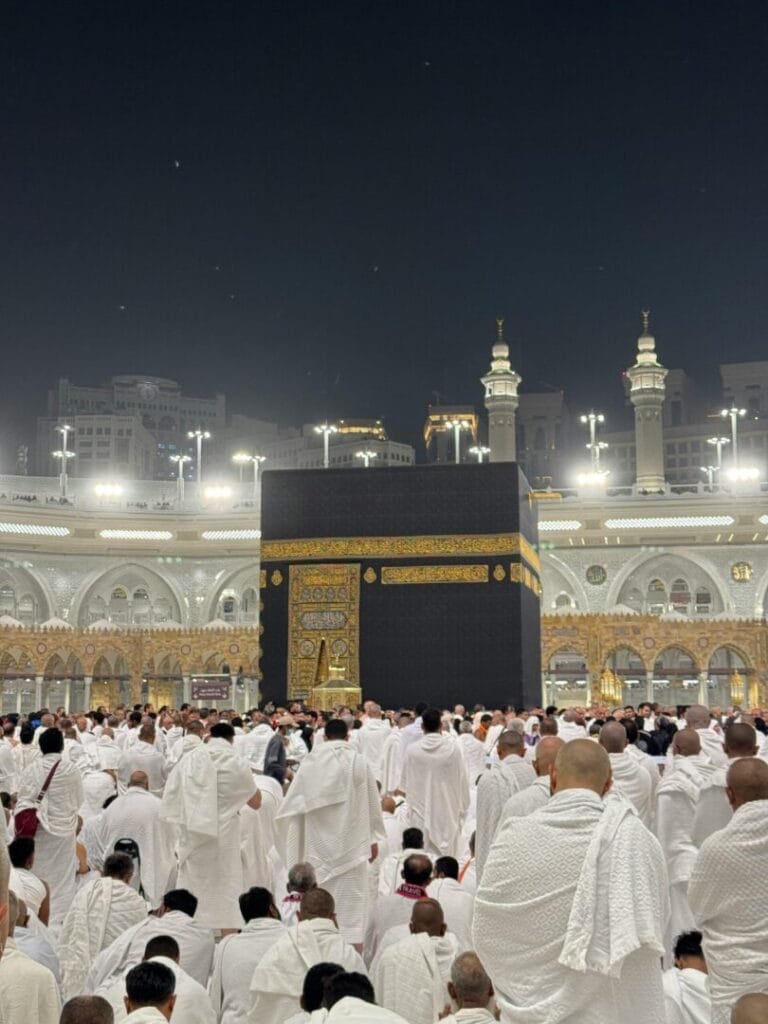
Hajj and Umrah are spiritually significant journeys for millions of Muslims around the world. At the same time, pilgrimage presents unique health challenges — very large crowds, close physical contact, long walking distances, high temperatures, international mixing of travellers, and physically demanding rituals.
Hajj in particular is one of the largest mass gatherings in the world. When millions of people gather closely together, infections including respiratory illnesses, influenza, meningitis and gastrointestinal illness can spread much more easily. This is why travel health preparation is considered such an important part of pilgrimage planning.
Why Illness Spreads More Easily During Pilgrimage
Many pilgrims are surprised by how physically demanding Hajj and Umrah can be. Several factors increase the likelihood of illness — crowded environments, heat exposure, fatigue, dehydration, sleep disruption and physical exertion all combine to make the body more vulnerable.
Common illnesses
- Coughs and colds
- Influenza
- COVID-19
- Stomach illness
- Heat exhaustion
- Dehydration
Key risk factors
- Prolonged crowded environments
- Extreme heat and humidity
- Physical and emotional fatigue
- Disrupted sleep and routine
- International travel mixing
For older adults and people with medical conditions, these illnesses can sometimes become more serious if not managed carefully.
Mandatory Vaccines for Hajj and Umrah
The most important vaccine requirement for pilgrims is meningococcal ACWY vaccination. This vaccine is mandatory for travel to Saudi Arabia for Hajj or Umrah and protects against a serious bacterial infection that can cause meningitis, bloodstream infection, severe complications and in some cases death. The risk increases significantly in crowded settings where infections spread through respiratory droplets.
Entry requirements — important to know
- The vaccine must generally be given at least 10 days before arrival in Saudi Arabia
- A valid vaccination certificate must be carried
- Without valid proof, visa issues may arise and entry may be refused
- Conjugate vaccines are commonly valid for 5 years
Recommended Vaccines for Pilgrims
Although meningitis ACWY vaccination is mandatory, additional vaccines are often strongly recommended depending on age, medical history, previous vaccination status and individual risk factors.
Strongly recommended
Seasonal Influenza
Flu spreads very easily during pilgrimage due to close crowding. Especially important for older pilgrims, pregnant women, people with chronic illness and children. Flu may appear mild but can lead to serious complications in vulnerable individuals.
Recommended
COVID-19
Recommendations may vary depending on current public health guidance and individual risk. Pilgrims should ensure they remain up to date with current advice before travelling.
Recommended
Hepatitis A
Spreads through contaminated food and water. Recommended because of shared eating environments, large gatherings and international travel exposure.
Consider for some pilgrims
Hepatitis B
May be considered for longer stays, travellers with medical conditions, or individuals at increased exposure risk.
Understanding the Meningitis ACWY Vaccine Requirement
Meningococcal disease can spread rapidly in crowded settings. Symptoms may develop suddenly — including fever, severe headache, neck stiffness, vomiting, confusion and rash — and the disease can become life-threatening very quickly.
The vaccine requirement is not simply an administrative rule. It is designed to protect both individual pilgrims and the wider international community after pilgrims return home. Vaccination is considered the most effective way to reduce outbreak risk during pilgrimage.
When Should Pilgrims Arrange Vaccinations?
Ideally, pilgrims should arrange travel vaccinations around 6 to 8 weeks before departure. This allows time for vaccination appointments, documentation, additional vaccine recommendations and immune protection to develop.
Booking early helps avoid
- Last-minute appointment shortages
- Documentation problems close to travel dates
- Missing the 10-day pre-arrival requirement for the ACWY vaccine
Is It Still Worth Getting Vaccinated Last Minute?
Yes — in many situations, absolutely. Many pilgrims seek advice shortly before travel, especially during busy Hajj periods. Even if travel is approaching quickly, important protection may still be possible, documentation can still be arranged, and additional travel health advice remains valuable.
However, pilgrims should avoid leaving mandatory vaccinations until the final days before departure, as entry requirements still need to be met. Even a late consultation can help reduce travel health risks significantly.
Respiratory Infections During Hajj and Umrah
Respiratory infections are one of the most common illnesses affecting pilgrims. Crowding increases exposure to influenza, COVID-19, viral infections and chest infections. Pilgrims who develop fever, persistent cough or breathing difficulty should seek medical advice promptly.
Reducing respiratory risk
- Good hand hygiene throughout the day
- Avoiding close contact where possible
- Wearing masks in crowded settings if appropriate
- Staying hydrated and resting adequately
Food, Water, and Stomach Illness Risks
Changes in food, climate, hydration and eating routines can increase the risk of traveller’s diarrhoea, food poisoning and dehydration. Dehydration can develop quickly during pilgrimage, especially in high temperatures combined with physical exertion.
Helpful precautions
- Drink safe bottled water throughout the day
- Avoid unsafe ice
- Wash hands regularly before eating
- Eat properly cooked food
- Stay hydrated in hot conditions
Heat, Dehydration, and Exhaustion
Saudi Arabia can experience extremely high temperatures, particularly during summer months. Pilgrims may spend long periods walking outdoors, standing in crowds and performing rituals in heat — all of which increase the risk of heat exhaustion, heatstroke, severe dehydration and fatigue. Older adults and those with medical conditions are especially vulnerable.
To reduce risk
- Drink fluids regularly throughout the day
- Avoid prolonged direct sun exposure
- Use umbrellas or shade where possible
- Wear lightweight, loose-fitting clothing
- Rest when needed — do not push through exhaustion
Managing Chronic Medical Conditions During Pilgrimage
Pilgrims with existing medical conditions — such as diabetes, heart disease, asthma, high blood pressure or kidney disease — should prepare carefully before travelling. Many pilgrims underestimate how physically demanding Hajj can be, and seeking medical advice before travel can help reduce avoidable complications.
- Carry sufficient medication for the full trip
- Pack medicines in hand luggage
- Bring copies of prescriptions and medical documentation
- Understand how heat and physical exertion may affect your condition
Advice for Elderly Pilgrims
Older pilgrims may face increased risks from heat exposure, reduced mobility, fatigue, respiratory infections and existing medical conditions. Extra preparation around hydration, medication management, rest periods and physical endurance is often needed.
Vaccination becomes especially important in older age groups because infections such as flu and pneumonia can become more severe with age. A consultation helps ensure that all appropriate vaccines and precautions are in place before travel.
Travel Health Advice for Children and Families
Children travelling for Umrah may also require vaccination and travel health planning. Children may become dehydrated more quickly than adults in hot conditions, and parents should supervise children carefully around crowds and ensure regular rest and fluid intake.
Parents should pay particular attention to
- Hydration — children dehydrate faster in heat
- Heat exposure and shade
- Hand hygiene in crowded environments
- Food safety and safe water
- Age-specific vaccine recommendations
Medications and Preparing for Travel
Pilgrims should prepare medications carefully before travel and carry a small travel health kit.
Medication preparation
- Bring enough for the full trip
- Carry in original packaging
- Keep in hand luggage
- Carry medical documentation
Travel health kit
- Pain relief
- Oral rehydration sachets
- Hand sanitiser
- Insect repellent if appropriate
- Basic first aid items
Common Vaccine Side Effects and Safety
Vaccines used for Hajj and Umrah are generally very safe and well established. Common mild side effects are usually short-lived, and serious side effects are rare.
Sore arm at the injection site
Mild headache
Fatigue
Mild fever
During your consultation, your medical history is reviewed, vaccine suitability is assessed, and any concerns can be discussed in detail.
Practical Ways to Stay Healthy During Pilgrimage
Simple precautions can significantly reduce health risks during Hajj and Umrah. Many illnesses during pilgrimage are linked to fatigue, heat, dehydration and crowding — all of which can be managed with small, consistent preventative steps.
- Stay hydrated and rest regularly throughout the day
- Use hand sanitiser and wash hands frequently
- Wear suitable footwear for long walking distances
- Avoid unsafe food and water
- Keep medications easily accessible
- Use face coverings in crowded areas if appropriate
What to Do Next
Preparing properly for Hajj or Umrah is an important part of protecting your health during pilgrimage. Before travelling, it is advisable to arrange a travel health consultation to review vaccine requirements, ensure documentation is valid, discuss recommended vaccines, prepare medications and receive personalised travel advice.
For Hajj and Umrah travellers, early preparation is especially important because some vaccine requirements are mandatory for entry into Saudi Arabia. This helps reduce avoidable health risks and allows you to focus more fully on your pilgrimage with greater confidence and peace of mind.