What Is RSV? Symptoms, Risks and How Vaccination Can Help
A simple guide to respiratory syncytial virus (RSV), who is most at risk, the symptoms to look
⭐ 4.9/5 on Google · GPhC Registered · NHS & Private · Same-day appointments in Kingston
Stay healthy, stay independent, stay protected.
GPhC Approved UK Pharmacy
Same Day Appointments
Confidential Services
Three simple steps to get your treatment
RSV (Respiratory Syncytial Virus) is a common respiratory infection that can cause serious illness in older adults, people with long-term health conditions, smokers, and pregnant women. It spreads easily through coughs, sneezes, and close contact.
A single-dose RSV vaccine helps your immune system fight the virus and reduces the risk of severe symptoms, hospitalisation, and complications. It is recommended for Adults aged 60+, people with heart/lung/immune conditions as well as Pregnant women between 28–36 weeks (to protect both mother and newborn).
Safe, effective medications reviewed by our pharmacists
Curated by Rifqa Jibara, Superintendent Pharmacist and Prescriber. GPhC No. 2232122
The RSV vaccine helps protect against serious illness caused by Respiratory Syncytial Virus (RSV).
Vaccination can significantly reduce the risk of severe RSV infection, hospitalisation, and complications in older adults and newborn babies.
The RSV vaccine may be recommended for:
Older adults.
Pregnant women during the recommended stage of pregnancy.
Individuals at increased risk of severe RSV complications.
People with certain underlying health conditions, where appropriate.
Our clinician can assess your circumstances and advise whether RSV vaccination is suitable for you.
As we age, the immune system becomes less effective at fighting infections.
Older adults are more likely to experience complications from RSV, including:
Pneumonia.
Severe chest infections.
Worsening of existing heart or lung conditions.
Hospital admission.
Vaccination helps reduce the risk of these serious complications.
RSV infection can be particularly serious for newborn babies.
Vaccination during pregnancy allows protective antibodies to pass from mother to baby, helping protect infants during the first months of life when they are most vulnerable to severe RSV infection.RSV vaccination can be given during pregnancy at the recommended stage of gestation.
Receiving the vaccine during pregnancy helps provide protection for both the mother and baby, reducing the risk of severe RSV illness in newborn infants.
Just one dose. This provides protection for the RSV season and reduces your risk of severe illness.
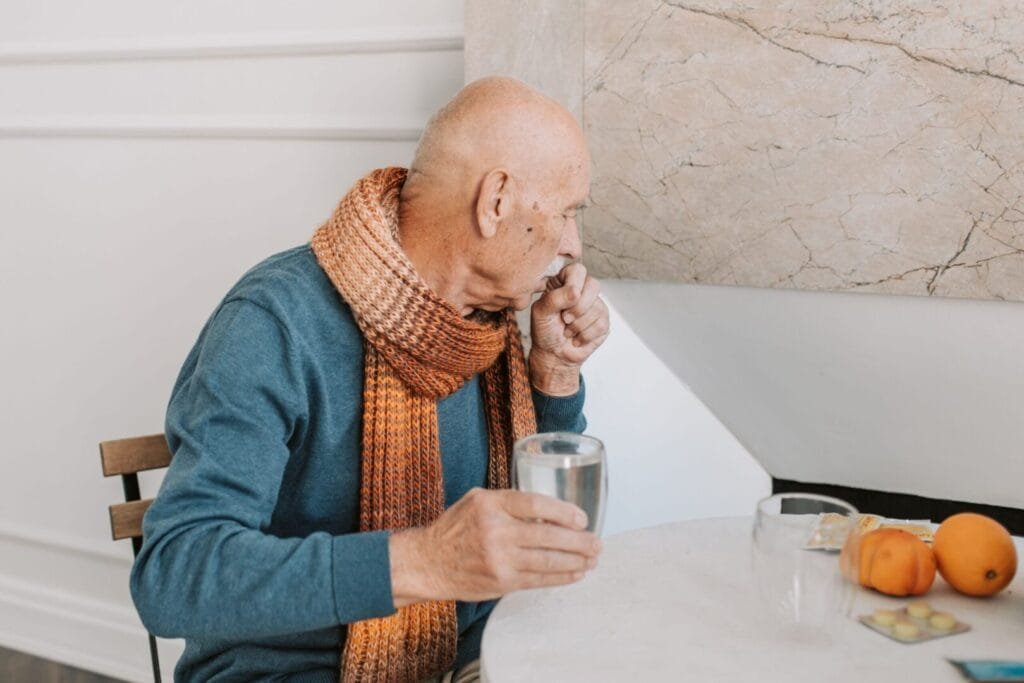
RSV symptoms can include:
Runny nose.
Cough.
Sneezing.
Fever.
Wheezing.
Shortness of breath.
While symptoms are often mild in healthy adults, RSV can become much more serious in older adults, newborn babies, and vulnerable individuals.
In England, RSV vaccination is currently available through the NHS for:
Pregnant women during the recommended stage of pregnancy.
Adults aged 75 to 79 years (up to the day before their 80th birthday).
Eligibility criteria may change over time, and our pharmacy team can advise on current NHS eligibility.
You can book an RSV vaccination appointment directly through our pharmacy via our online form.
Our clinician will assess your suitability, answer any questions, and provide vaccination where appropriate.
Yes.
Private RSV vaccination may be available for individuals who are not currently eligible for NHS vaccination but wish to discuss protection against RSV.
Our clinician can assess your suitability and advise on available options.
Most side effects are mild and temporary.
Common side effects include:
Pain or soreness at the injection site.
Fatigue.
Headache.
Muscle aches.
Mild fever.
These symptoms usually settle within a few days.

A simple guide to respiratory syncytial virus (RSV), who is most at risk, the symptoms to look

A simple guide to the Arexvy RSV vaccine, how it helps protect against respiratory syncytial virus, who
A simple guide to the potential risks of respiratory syncytial virus (RSV), who is most vulnerable to