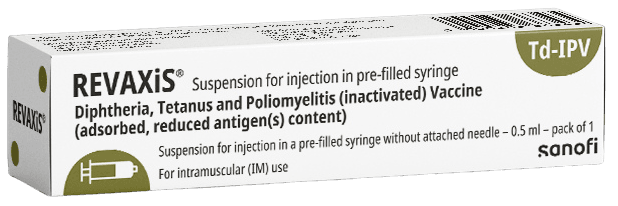
Tetanus Vaccines (DpT)
£37.00
Recommended for all travellers to protect against serious infection from wounds
Rather speak to someone first? See our Travel Health clinic →
Description
What is the Tetanus Vaccine?
The Tetanus vaccine helps protect against tetanus, a serious bacterial infection that affects the nervous system and can cause painful muscle spasms, breathing difficulties, and life-threatening complications.
Tetanus is caused by bacteria found in soil, dust, and animal faeces. Infection occurs when the bacteria enter the body through cuts, wounds, burns, bites, or other breaks in the skin.
Although tetanus cannot spread from person to person, it remains a serious disease worldwide and can occur following injuries sustained during travel.
Vaccination is the most effective way to protect against tetanus and is recommended for travellers whose vaccination status is incomplete or whose last booster was received many years ago.
The Tetanus vaccine is available following a travel health consultation with our qualified travel health team.
It is suitable for both adults and children.
What Does the Tetanus Vaccine Protect Against?
The Tetanus vaccine protects against tetanus, a potentially life-threatening infection caused by the bacterium Clostridium tetani.
The bacteria are commonly found in:
- Soil
- Dust
- Animal faeces
- Contaminated objects and surfaces
- Infection can occur through:
- Cuts and grazes
- Puncture wounds
- Animal bites
- Burns
- Injuries contaminated with soil or dirt
Risk levels vary depending on:
- Your destination
- Planned activities
- Access to medical care
- Likelihood of injury during travel
- Length of travel
Our clinicians will assess your travel plans and advise whether vaccination is recommended.
Who Should Consider the Tetanus Vaccine?
The vaccine may be recommended for:
- Travellers whose tetanus vaccination status is incomplete or unknown
- Travellers whose last booster dose was received more than 10 years ago
- Backpackers and long-term travellers
- Adventure travellers
- Campers and hikers
- Humanitarian aid workers and volunteers
- Individuals travelling to areas with limited medical facilities
Recommendations vary according to destination and individual risk factors.
Who May Not Be Suitable?
This vaccine may not be suitable if you:
- Have previously experienced a severe allergic reaction to the vaccine or any of its ingredients
- Are currently unwell with a high temperature
- Have certain medical conditions requiring individual assessment
- Our clinicians will review your medical history before vaccination.
Vaccination Schedule
The Tetanus vaccine is usually administered as a single booster dose.
Booster Vaccination
Dose 1: Single injection
For most travellers who have previously completed their routine childhood vaccination schedule, a single booster dose is sufficient to restore protection.
Protection develops shortly after vaccination and provides long-lasting immunity.
Further Booster Doses
For individuals who remain at risk of exposure, a booster dose is generally recommended every 10 years.
This may be particularly important for:
- Frequent travellers
- Adventure travellers
- Humanitarian aid workers and volunteers
- Individuals travelling to remote areas where access to medical care may be limited
Your clinician will advise whether a booster dose is required based on your vaccination history and travel plans.
Ideally, travellers should receive the vaccine at least 2 weeks before departure.
However, if you are travelling sooner, vaccination may still be beneficial and can often be given at short notice.
For the best possible protection, the vaccine should be administered as early as possible before travel.
Benefits of the Tetanus Vaccine
- Helps protect against tetanus infection
- Reduces the risk of serious illness following contaminated wounds or injuries
- Provides long-lasting protection
- Suitable for adults and children
- Recommended for a wide range of travellers
- Administered by trained healthcare professionals
Travel Health Advice
Vaccination should be combined with sensible precautions to reduce the risk of injury and infection.
Additional measures include:
- Promptly cleaning cuts and wounds
- Seeking medical attention for deep or contaminated wounds
- Carrying a basic first aid kit when travelling
- Practising good wound hygiene
- Following local health advice
- Even if vaccinated, travellers should seek medical advice following significant injuries, particularly in remote areas.
Possible Side Effects
Like all vaccines, the Tetanus vaccine can cause side effects, although not everyone experiences them.
Common side effects may include:
- Pain, redness, or swelling at the injection site
- Headache
- Fatigue
- Mild fever
- Muscle aches
These side effects are usually mild and resolve within a few days.
Always read the Patient Information Leaflet provided at your appointment.
Frequently Asked Questions
How long before travel should I get vaccinated?
Ideally, you should receive the vaccine at least 2 weeks before travel. However, vaccination may still be beneficial for last-minute travellers.
How long does protection last?
For most travellers, protection lasts for up to 10 years following a booster dose. Individuals who remain at risk may require further booster doses every 10 years.
Do I need a booster dose?
If your last tetanus booster was more than 10 years ago, a booster dose may be recommended depending on your travel plans and risk of exposure.
Can I have this vaccine with other travel vaccines?
Yes. In most cases, the Tetanus vaccine can be administered alongside other recommended travel vaccinations. Your clinician will advise on the most appropriate schedule.
Do I need the vaccine for my destination?
The need for tetanus vaccination depends on your vaccination history, destination, planned activities, and access to healthcare facilities. Our travel health team will provide personalised advice during your consultation.
Are there any side effects?
Most side effects are mild and temporary, such as soreness at the injection site, headache, fatigue, or mild flu-like symptoms.
Additional information
| dose | Single dose |
|---|---|
| protection | Up to 10 years protection |
| effect | Rapid protection |
Related products
-

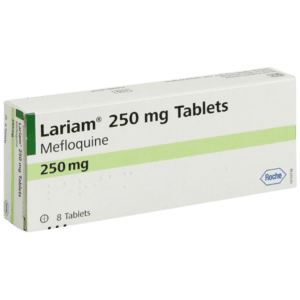
Lariam (Mefloquine) 250mg tablets
From £28.70 Start Consultation This product has multiple variants. The options may be chosen on the product page -
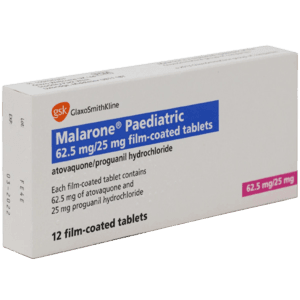
Malarone Paediatric 62.5mg/25mg tablets
From £24.00 Start Consultation This product has multiple variants. The options may be chosen on the product page -
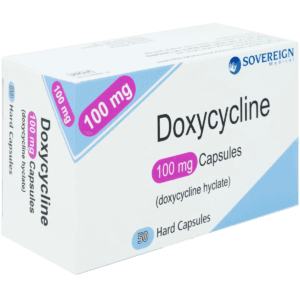
Doxycycline 100mg capsules
From £24.05 Start Consultation This product has multiple variants. The options may be chosen on the product page -
Melatonin 3mg Tablets
£25.00 Add to cart