What Is Psoriasis? Symptoms, Causes and Treatment Options Explained
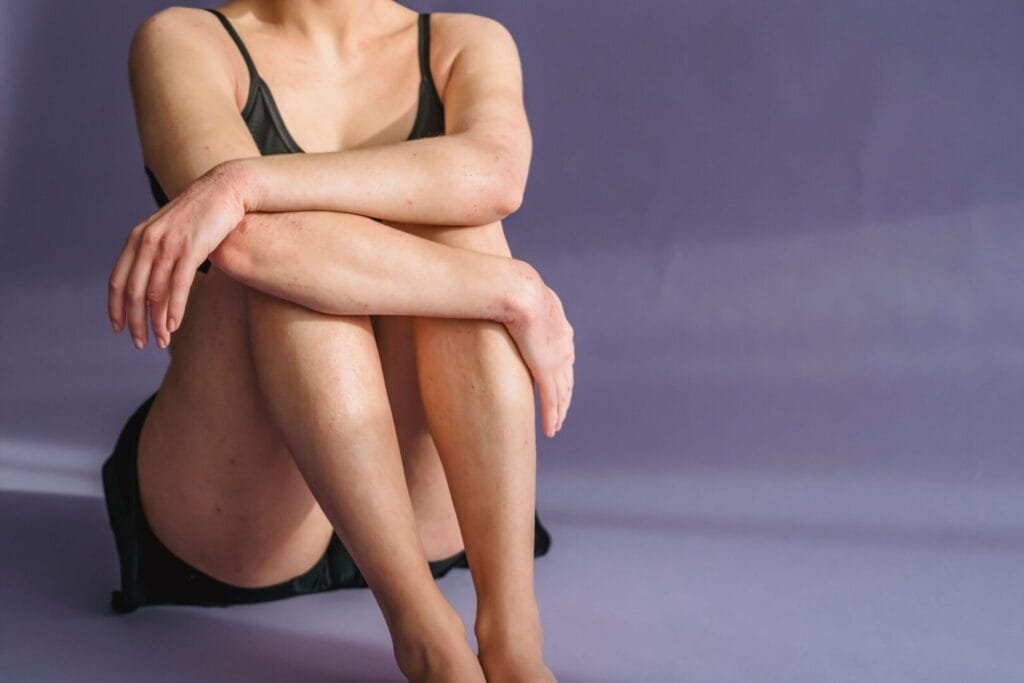
A guide to what psoriasis is, what causes it, how to recognise the symptoms, and the treatment options that may help. Contents What is psoriasis? What does psoriasis look like?
⭐ 4.9/5 on Google · GPhC Registered · NHS & Private · Same-day appointments in Kingston
Support for Scalp Psoriasis That Helps You Feel More in Control
GPhC Approved UK Pharmacy
Same Day Appointments
Confidential Services
Three simple steps to get your treatment
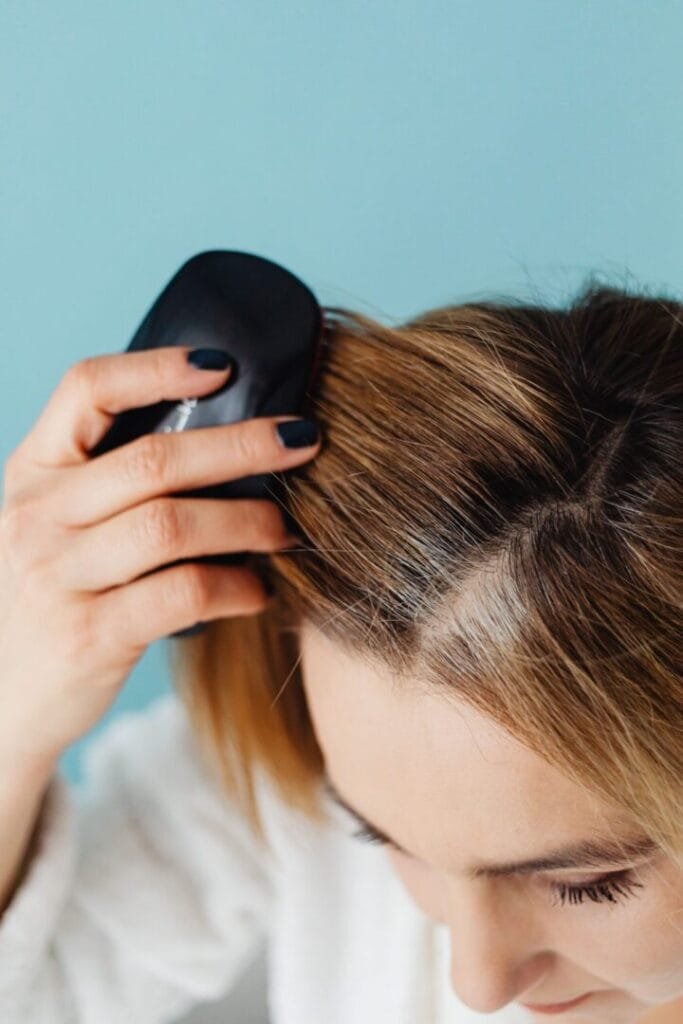
Scalp psoriasis is a long-term inflammatory skin condition that causes red, scaly patches on the scalp. It can range from mild flaking to thicker plaques that may extend beyond the hairline. Symptoms often include itching, soreness, and visible scaling.
Psoriasis tends to flare and settle over time and may be triggered by stress, illness, skin irritation, or changes in routine. While it isn’t contagious, it can be uncomfortable and affect confidence.
Managing scalp psoriasis effectively focuses on calming inflammation, reducing scaling, and helping keep symptoms under control. Our service provides professional assessment and access to targeted treatment to help you manage flare-ups safely and effectively.
Safe, effective medications reviewed by our pharmacists
Psoriasis is an autoimmune condition that causes skin cells to be produced much faster than normal. This leads to a build-up of skin cells on the surface of the skin, resulting in scaling, redness, and inflammation. Genetics, immune system activity, and environmental triggers can all play a role.
Common symptoms of scalp psoriasis include:
Thick, flaky patches on the scalp
White or silvery scales
Red, inflamed skin
Itching
Dryness
Soreness
Temporary hair shedding during flare-ups
Symptoms can vary from person to person and may come and go over time.
Many people begin to notice improvement within the first few weeks of treatment. Redness, itching, and scaling often reduce gradually with consistent use. Your clinician will explain what improvements are realistic and when progress should be reviewed.
Common psoriasis triggers include:
Stress
Illness or infections
Skin injury
Cold weather
Smoking
Excessive alcohol consumption
Certain medications
Identifying personal triggers may help improve symptom control.
Side effects vary depending on the treatment prescribed but may include:
Mild scalp irritation
Itching
Burning sensations
Dryness
Most side effects are mild and temporary when treatment is used as directed.
Yes. Scalp psoriasis foams are specifically designed for use on the scalp and can be applied through the hair directly onto affected areas. Your clinician will explain how to apply treatment correctly to achieve the best results.
Scalp psoriasis itself does not usually cause permanent hair loss. However, severe inflammation, scratching, or aggressive removal of scales can sometimes lead to temporary hair shedding. Hair generally regrows once symptoms are controlled.
No. Although both conditions can cause flaking, scalp psoriasis typically causes thicker scales, more inflammation, and well-defined patches of affected skin. Psoriasis often extends beyond the hairline and may occur alongside psoriasis elsewhere on the body.
Yes. Scalp psoriasis often follows a pattern of flare-ups and periods of improvement. Ongoing management and trigger avoidance can help reduce the frequency and severity of flare-ups.
These treatments combine two active ingredients:
Calcipotriol, a vitamin D analogue that helps slow excessive skin cell production.
Betamethasone, a corticosteroid that helps reduce inflammation, redness, itching, and irritation.
Together, they help control flare-ups and reduce visible scaling.

A guide to what psoriasis is, what causes it, how to recognise the symptoms, and the treatment options that may help. Contents What is psoriasis? What does psoriasis look like?
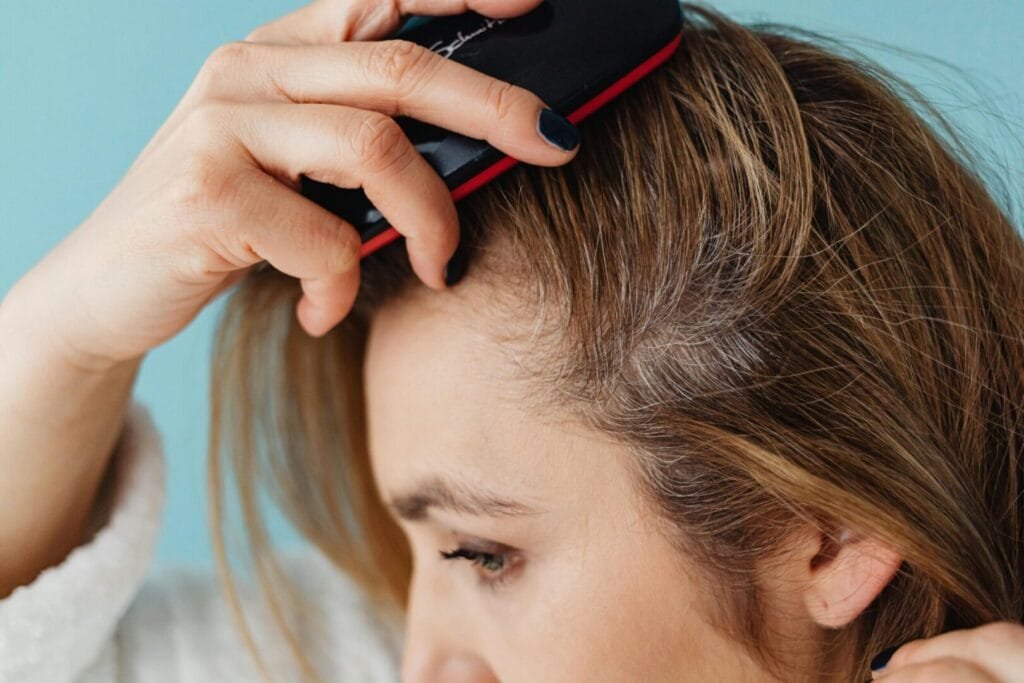
Understanding what triggers psoriasis flare-ups is often one of the most effective ways to gain better control of symptoms. Here are ten of the most common triggers and what you
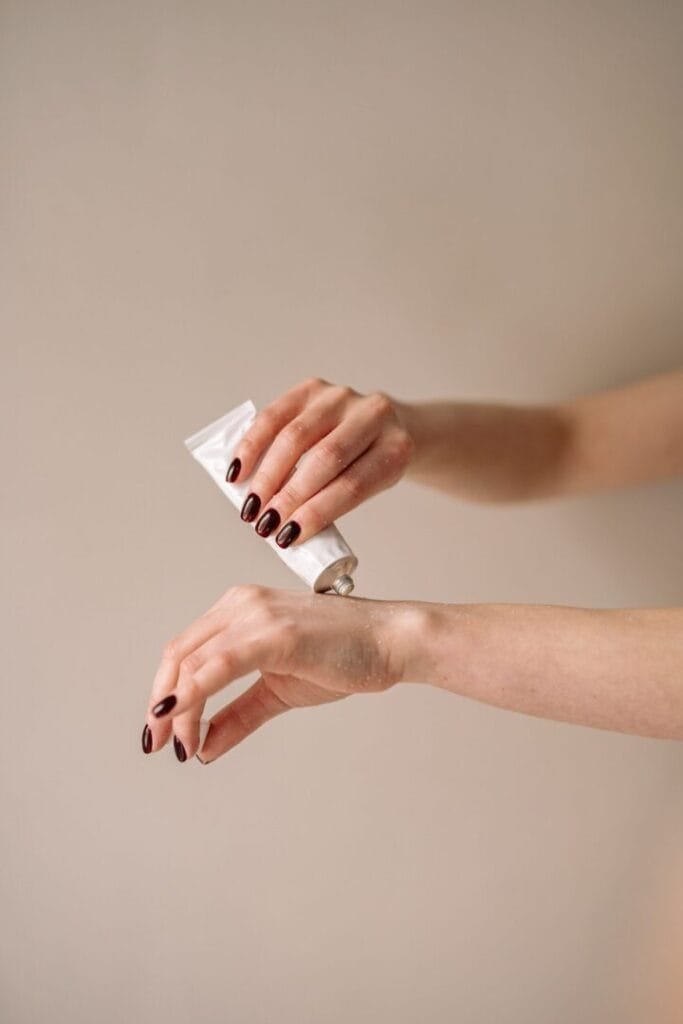
A guide to how Enstilar Foam, Dovobet Gel and Dovonex Ointment work, what makes them different, and how to determine which option may be most suitable for you. Contents Understanding