
Everything You Need to Know About Oral Thrush
What oral thrush is, how to recognise the symptoms, what can cause it, and how treatments such as Nystatin Oral Suspension may help. Contents What is oral thrush? What does
⭐ 4.9/5 on Google · GPhC Registered · NHS & Private · Same-day appointments in Kingston
Oral Thrush Treatment Without the GP Wait
GPhC Approved UK Pharmacy
Same Day Appointments
Confidential Services
Three simple steps to get your treatment
Oral thrush is a fungal infection of the mouth caused by an overgrowth of Candida yeast. It often appears as white patches on the tongue, inner cheeks, gums, or roof of the mouth, and may cause soreness, redness, or an altered taste.
Oral thrush can develop for several reasons, including recent antibiotic use, inhaled steroid use (such as asthma inhalers), dentures, dry mouth, or reduced immunity. While it’s usually mild, treatment is important to clear the infection and prevent symptoms from worsening.
Our service provides professional assessment and access to effective antifungal treatment through your local pharmacy, without unnecessary delays.
Safe, effective medications reviewed by our pharmacists
Common symptoms of oral thrush include:
White or cream-coloured patches in the mouth
A white coating on the tongue
Redness or soreness inside the mouth
Cracks at the corners of the mouth
An unpleasant taste in the mouth
Difficulty eating or swallowing in more severe cases
If you are experiencing these symptoms, a clinical assessment can help determine whether oral thrush treatment is appropriate.
Oral thrush develops when naturally occurring Candida yeast multiplies excessively in the mouth. Common risk factors include:
Recent antibiotic use
Inhaled corticosteroids for asthma
Denture use
Smoking
Diabetes
Dry mouth
A weakened immune system
Nystatin is an antifungal medicine used to treat oral thrush. It works directly within the mouth to reduce the fungal overgrowth responsible for symptoms and help clear the infection. Nystatin works by damaging the cell membranes of Candida yeast, causing the fungal cells to die. This helps eliminate the infection and allows the mouth to return to normal.
Many patients begin to notice improvement within a few days of starting treatment. However, it is important to complete the full course of medication even if symptoms improve sooner.
Nystatin oral suspension is usually held in the mouth before swallowing to allow the medication to come into contact with affected areas. Your clinician will provide clear instructions on how to use the medication correctly.
Mild cases occasionally improve on their own, but treatment is often recommended to relieve symptoms, clear the infection more quickly, and reduce the risk of recurrence.
Yes. Oral thrush can recur, particularly if underlying risk factors remain present. If oral thrush returns frequently, further assessment may be needed to identify contributing factors.
To help reduce the risk of oral thrush:
Maintain good oral hygiene
Clean dentures regularly
Rinse your mouth after using steroid inhalers
Attend regular dental check-ups
Manage conditions such as diabetes effectively
Avoid smoking where possible
Nystatin is generally well tolerated. Some people may experience:
Mild nausea
Stomach discomfort
Diarrhoea
Mouth irritation
Serious side effects are uncommon.
Yes. Following a clinical assessment and confirmation of suitability, oral thrush treatment can be supplied through our online pharmacy service and delivered directly to your home.

What oral thrush is, how to recognise the symptoms, what can cause it, and how treatments such as Nystatin Oral Suspension may help. Contents What is oral thrush? What does

The link between oral thrush and diabetes, why blood sugar control can affect oral health, and which treatment options may help clear symptoms. Contents What is oral thrush? How does
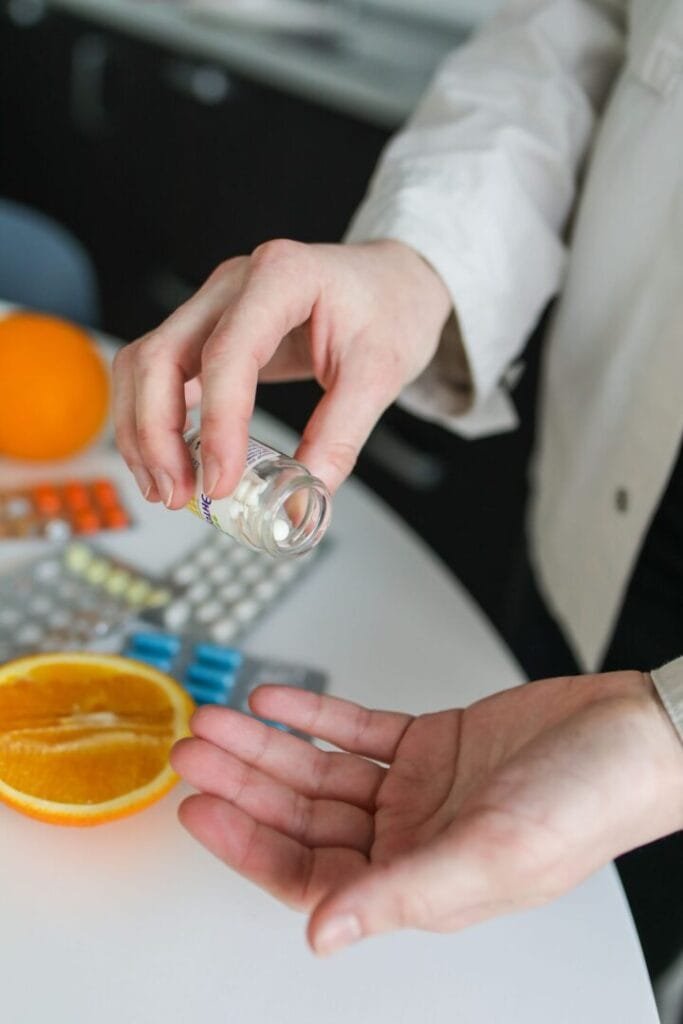
How the immune system helps control Candida, why oral thrush may keep returning, and which treatment options may help when infection develops. Contents What is oral thrush? How does the

Practical oral hygiene measures that may help reduce oral thrush risk, support long-term oral health, and lower the chance of future infections. Contents Why is oral hygiene important for preventing